
RF Microneedling vs. Traditional Microneedling: Which Is Better for Skin Tightening?
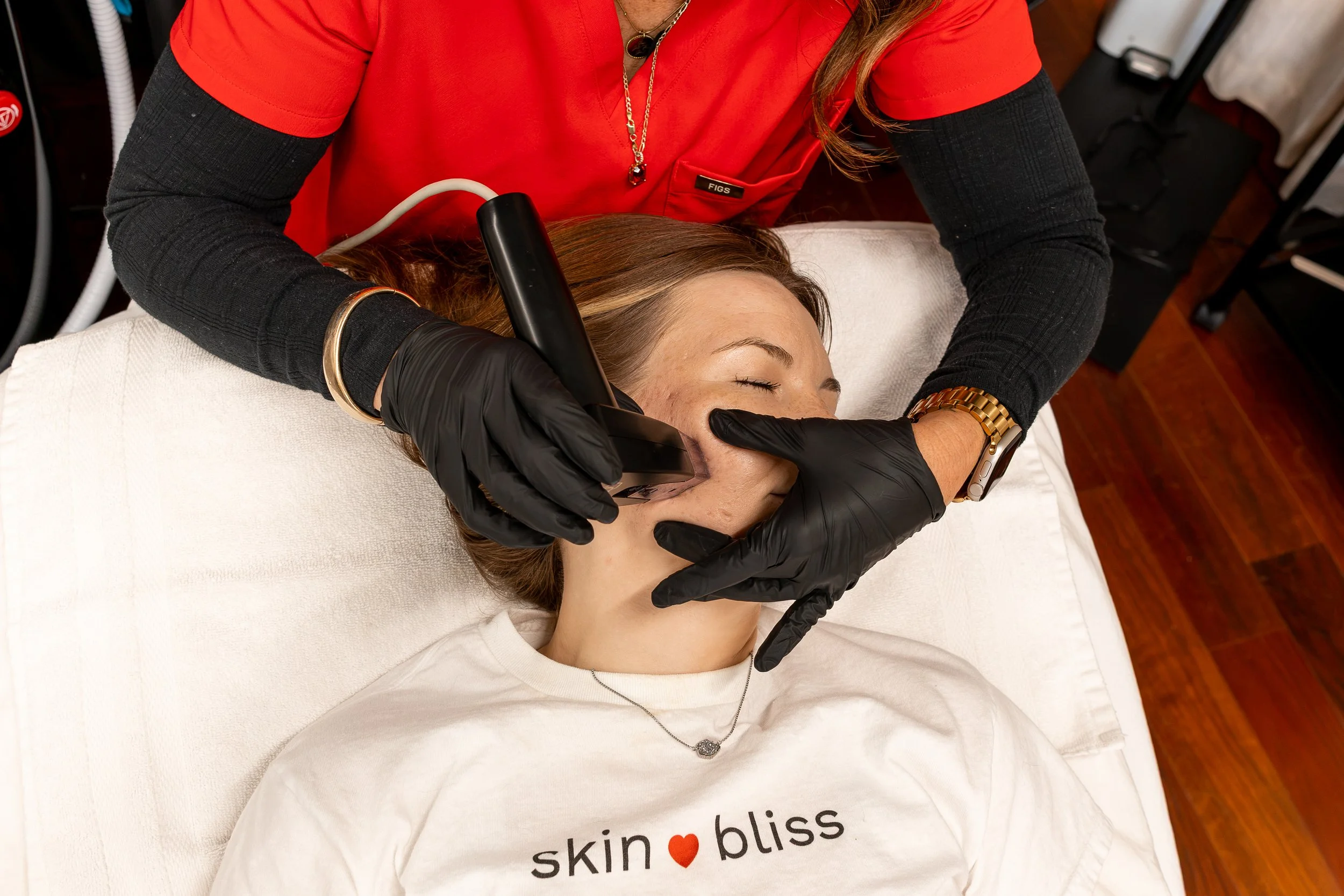
RF Microneedling - Skin Bliss Med Spa
If you are comparing treatments for fine lines, uneven texture or loose-looking skin, you may be wondering whether RF microneedling or traditional microneedling is the better choice.
RF microneedling is generally more focused on skin-tightening concerns because it combines controlled microchannels with radiofrequency energy delivered beneath the skin. Traditional microneedling may be more appropriate for improving mild texture concerns, fine lines and certain acne scars. The right treatment depends on your skin, goals and medical history.
For clients researching microneedling in Helena, understanding the differences between these treatments can make it easier to discuss the right option with a qualified provider.
RF vs. Traditional Microneedling at a Glance
| Feature | Traditional Microneedling | RF Microneedling |
|---|---|---|
| Technology | Controlled microchannels | Microchannels plus RF energy |
| Primary focus | Texture, fine lines and selected scars | Texture, laxity and collagen remodeling |
| Skin tightening | May improve mild firmness | More specifically focused on laxity |
| Heat energy | No | Yes |
| Treatment depth | Customized by the provider | Depth and RF energy can be customized |
| Recovery | Varies by treatment intensity | Varies by depth and energy settings |
| Cost | Generally lower | Generally higher |
| Best suited for | Mild textural concerns | Texture combined with skin laxity |
Neither treatment is universally better. The appropriate choice depends on the concern being treated and how your skin responds to controlled injury and heat.
What Is Traditional Microneedling?
Traditional microneedling, also known as collagen induction therapy, uses a professional device containing fine, sterile needles. The device creates controlled microchannels at a depth selected according to the treatment area and skin concern.
These microchannels activate the skin’s natural repair process. As the skin heals, it may produce new collagen and elastin—proteins that contribute to its structure, elasticity and firmness.
Traditional microneedling may help improve the appearance of:
Fine lines
Uneven skin texture
Enlarged-looking pores
Selected acne scars
Mild skin laxity
Certain surgical scars
Dull or rough-looking skin
The FDA has cleared certain professional microneedling devices for improving the appearance of facial acne scars, facial wrinkles and abdominal scars in adults aged 22 and older. Device clearance and intended use can vary, so ask your provider which device will be used.
What Is RF Microneedling?
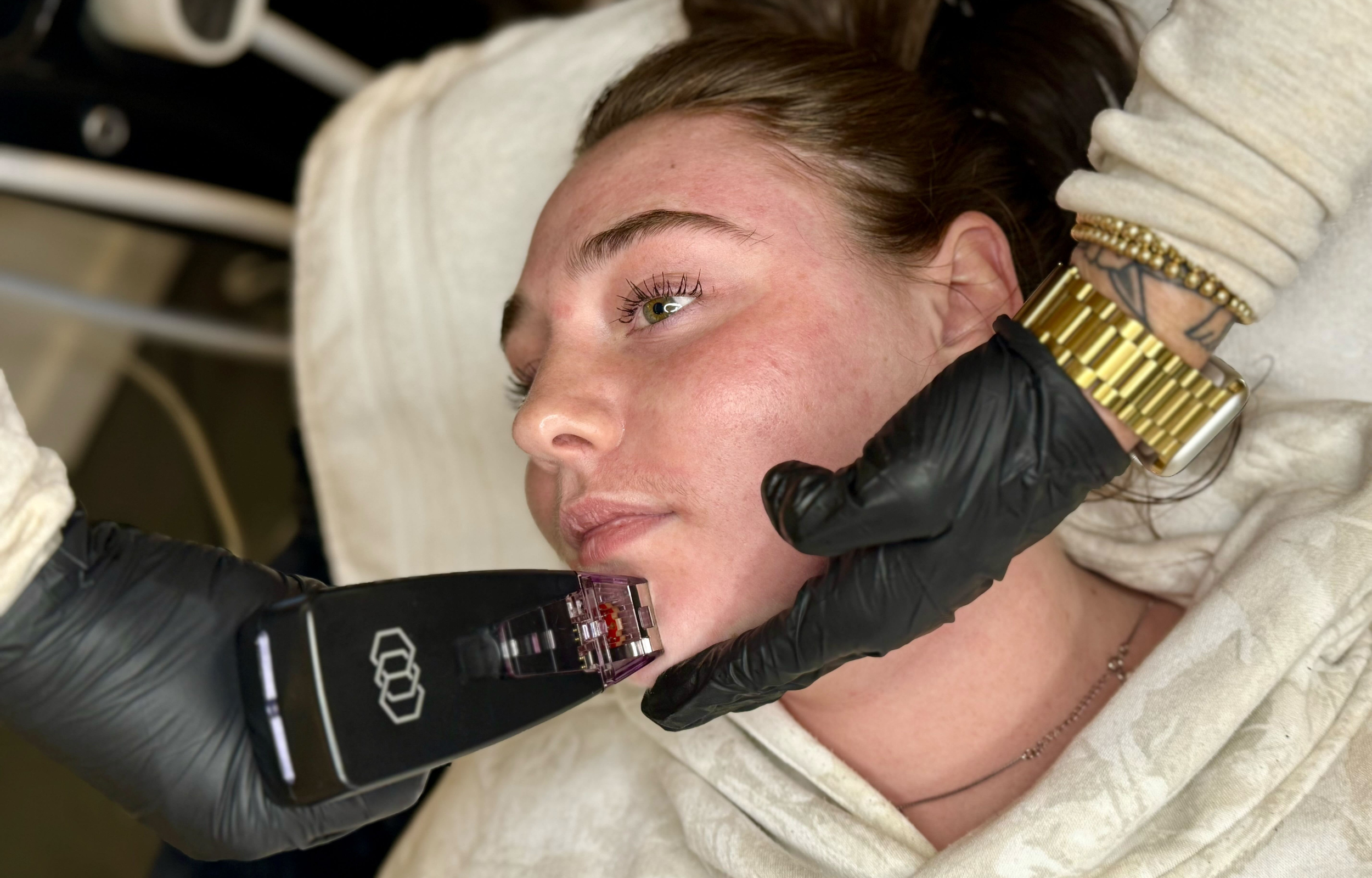
RF microneedling combines controlled needle penetration with radiofrequency energy.
As the microneedles enter the skin, the device delivers heat into selected tissue depths. The controlled micro-injuries and thermal energy are intended to support collagen remodeling and improve the appearance of texture, wrinkles and skin laxity.
At Skin Bliss Med Spa, Morpheus8 RF Microneedling may be considered for clients seeking a customized approach to concerns such as:
Mild to moderate skin laxity
Fine lines and wrinkles
Uneven or rough texture
Selected acne scars
Crepey-looking skin
Softening around the jawline
Treatment depth and energy settings must be selected carefully according to the client, device, treatment area and desired outcome.
What Is the Main Difference?
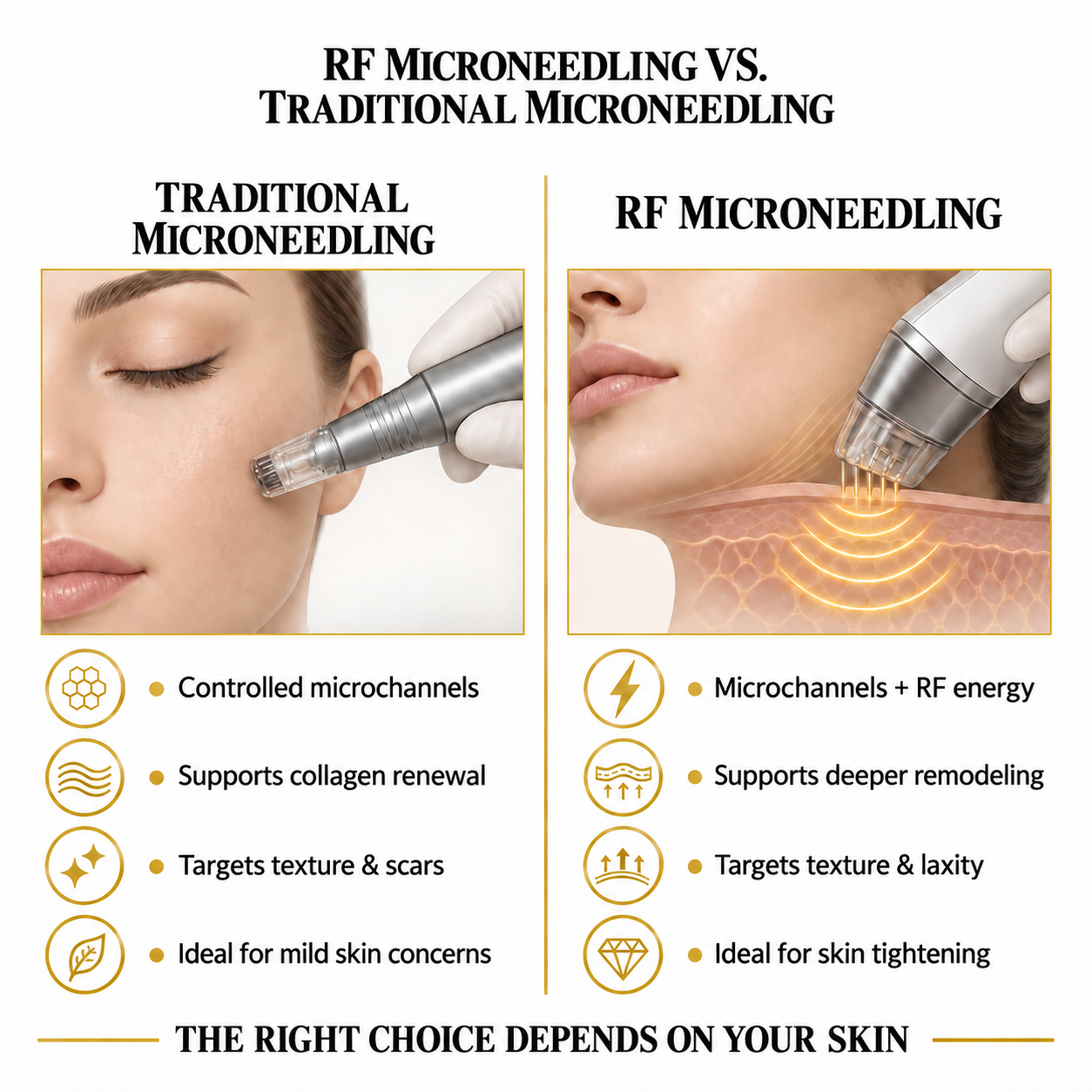
The main difference is the use of radiofrequency energy.
Traditional microneedling relies on controlled micro-injuries to initiate the skin’s repair response. RF microneedling combines those micro-injuries with heat delivered below the surface.
This additional thermal stimulation is why RF microneedling is often considered when skin laxity or more intensive collagen remodeling is the primary concern.
However, a more intensive treatment is not automatically a better treatment. Traditional microneedling may be sufficient when a client mainly wants to address mild texture, early fine lines or selected acne scars.
Which Treatment Is Better for Skin Tightening?
RF microneedling may be better suited to noticeable skin-tightening concerns because it adds controlled radiofrequency energy to the microneedling process.
The heat produced within selected tissue layers is intended to support collagen remodeling. This may gradually improve the appearance of mild to moderate laxity and help the skin look firmer.
Traditional microneedling can also support collagen production and may create gradual improvements in mild firmness. However, it does not deliver radiofrequency energy and may be chosen primarily for texture, fine lines and selected scars.
Neither procedure provides the same degree of lifting as surgery. Results vary, and clients should have realistic expectations about what a nonsurgical treatment can achieve.
Which Treatment Is Better for Acne Scars?
Both traditional and RF microneedling may be considered for certain acne scars.
Traditional microneedling may be appropriate for selected depressed or textural scars. RF microneedling may be considered when acne scars occur alongside laxity or deeper texture concerns.
The correct treatment depends on:
The type of acne scar
The depth of the scarring
Whether acne is currently active
Skin tone and pigmentation history
Previous scar treatments
The possibility of abnormal scarring
The client’s recovery preferences
Which Has More Downtime?
Recovery varies for both treatments.
After traditional microneedling, clients may experience temporary redness, tightness, sensitivity, dryness or mild peeling. The intensity and duration depend on the device settings, treatment depth and individual response.
RF microneedling may produce similar effects, along with swelling or tenderness associated with the delivery of heat. More intensive settings may require additional recovery.
A provider should explain the anticipated downtime before treatment. Avoid describing either option as completely painless or guaranteed to have no downtime.
Does RF Microneedling Hurt More?
RF microneedling may feel more intense because it combines needle penetration with thermal energy. Traditional microneedling may feel like pressure, vibration or a prickling sensation.
Comfort varies by:
Treatment area
Needle depth
RF energy settings
Individual sensitivity
Preparation and numbing protocol
Your provider should explain the comfort measures available and what sensations you may experience during the appointment.
How Many Treatments Will You Need?
Most clients should not expect a single treatment to deliver their complete result.
The recommended number of sessions depends on:
Age and skin condition
Degree of laxity
Scar type and severity
Treatment depth
Energy settings
Previous treatments
Natural healing response
Desired outcome
Because collagen remodeling is gradual, improvements may continue developing during the weeks and months after treatment. Maintenance treatments may be recommended based on your skin and long-term goals.
How Many Sessions Will You Need?
Both traditional and RF microneedling are commonly performed as a series rather than as a one-time treatment.
The appropriate number of sessions depends on:
Your age and skin condition
The concern being treated
Treatment intensity
Previous skincare procedures
Your natural healing response
Your desired outcome
Because collagen develops gradually, visible changes may continue over the weeks and months following treatment. Maintenance sessions may also be recommended to support results.
A consultation is necessary to receive a realistic treatment timeline.
Is RF Microneedling Safe?
RF microneedling should be treated as a medical procedure and performed by a qualified healthcare provider who is trained and experienced with the specific device.
In October 2025, the FDA warned of reported serious complications associated with certain uses of RF microneedling devices. These included burns, scarring, fat loss, disfigurement and nerve damage. The agency advises patients to discuss the benefits and risks with a licensed provider and ask which device will be used.
This warning does not mean that every RF microneedling treatment will result in a complication. It reinforces the importance of appropriate patient selection, professional training, correct device settings and informed consent.
Who May Not Be a Suitable Candidate?
Traditional or RF microneedling may need to be postponed or avoided if you have:
An active skin infection
Open wounds or irritated skin
Active inflammatory acne in the treatment area
Recent sunburn or tanning
Certain bleeding disorders
A history of abnormal scarring
An immune or healing condition
Medications that affect bleeding or healing
Pregnancy or another condition requiring medical clearance
Always disclose your medications, supplements, medical history and recent cosmetic procedures during the consultation.
Who May Need to Avoid Microneedling?
Either procedure may need to be postponed or avoided if you have:
An active skin infection
Open wounds or sunburn
Active, inflamed acne in the treatment area
Certain bleeding or immune disorders
A history of abnormal scarring
Recent tanning
Medications that affect healing or bleeding
Pregnancy or another medical condition requiring clearance
Tell your provider about your complete medical history, medications, supplements and recent skincare treatments before scheduling.
Is Morpheus8 the Same as RF Microneedling?
Morpheus8 is a specific RF microneedling technology.
RF microneedling is the broader treatment category, while Morpheus8 is one device that combines microneedles with fractional radiofrequency energy.
Different RF microneedling devices have different features, settings, depths and intended uses. Therefore, clients should ask which device their provider uses rather than assuming all RF microneedling treatments are identical.
How Do You Choose the Right Treatment?
Traditional microneedling may be considered when your primary concerns include:
Mild texture irregularities
Fine lines
Enlarged-looking pores
Selected superficial acne scars
Early signs of aging
General skin rejuvenation
RF microneedling may be considered when your concerns include:
Mild to moderate skin laxity
Crepey-looking skin
Jawline softening
Texture combined with laxity
Deeper collagen-remodeling goals
Selected acne scars with additional firmness concerns
Clients interested in a different collagen-supporting approach can also learn about ProCell Microchanneling in Helena.
The right choice should be based on a professional skin assessment—not simply which treatment is newer, more intensive or more expensive.
Watch on Instagram



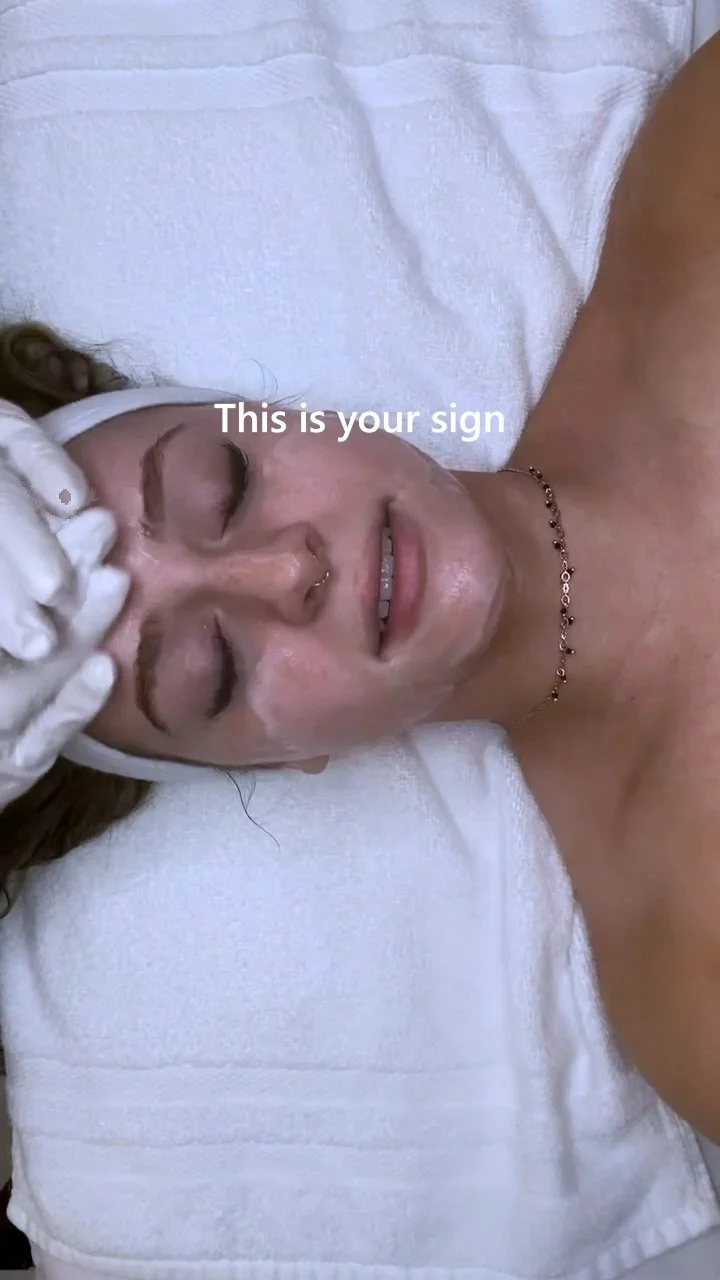


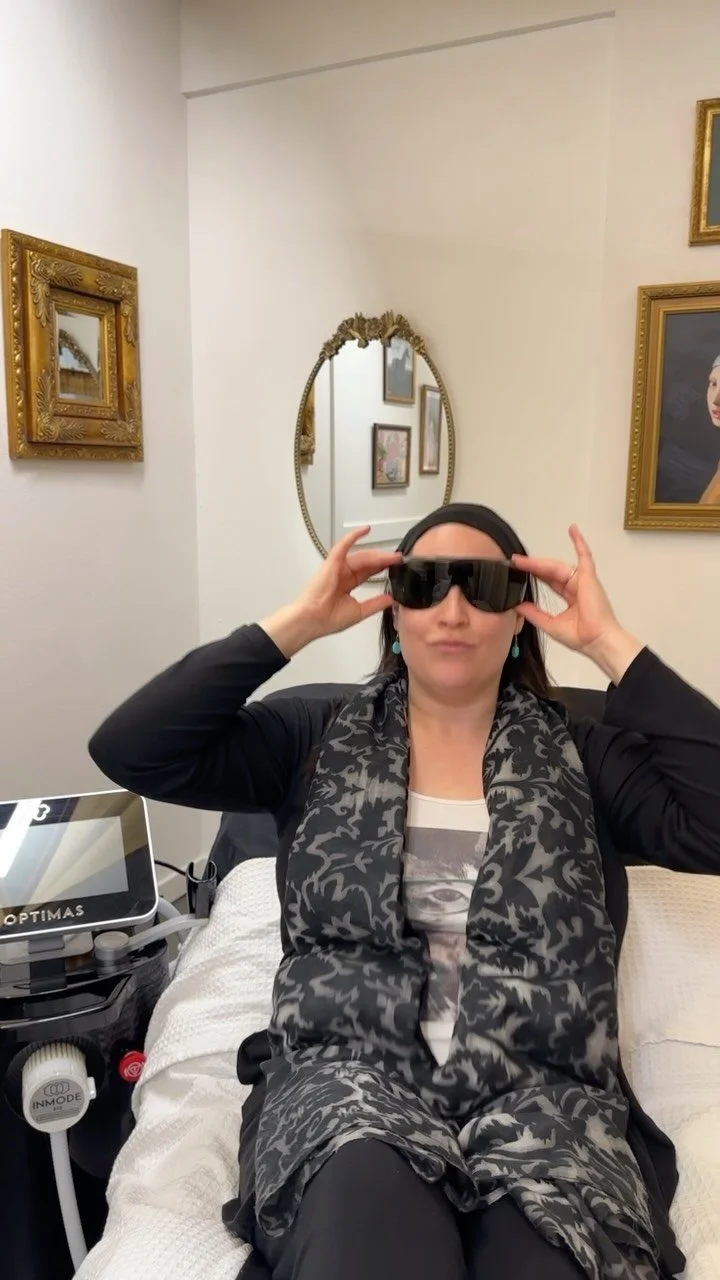
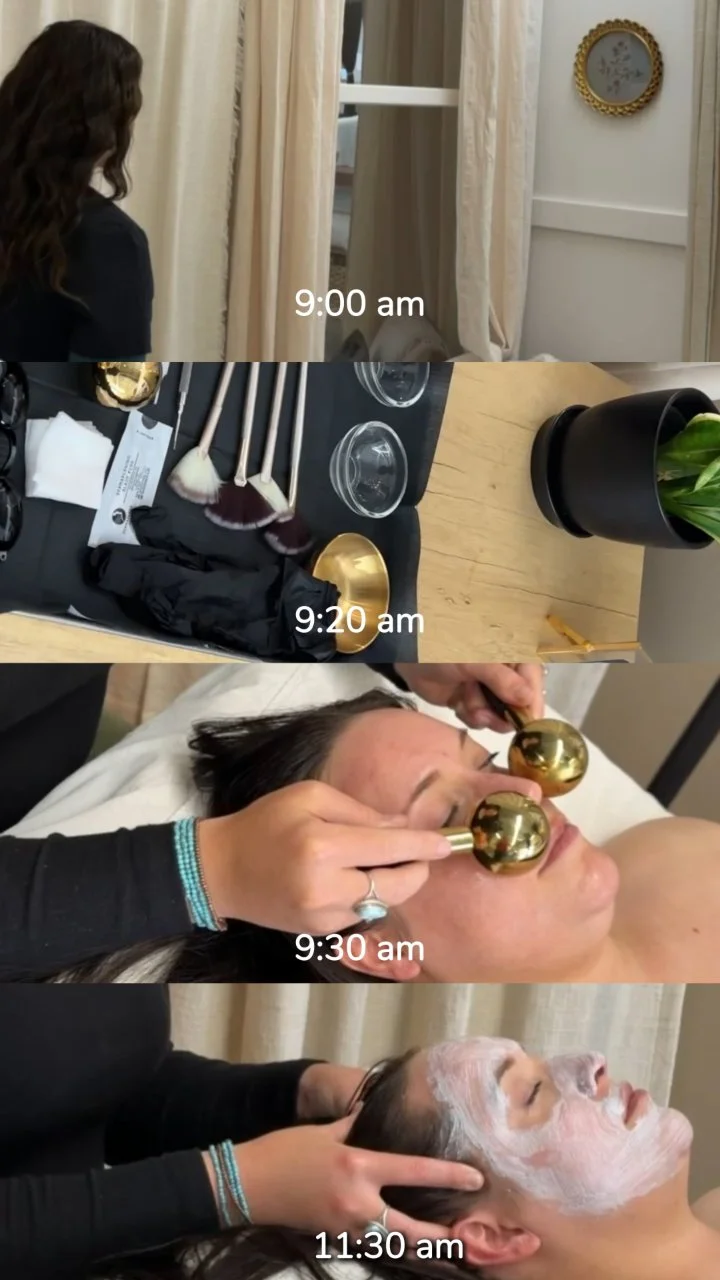

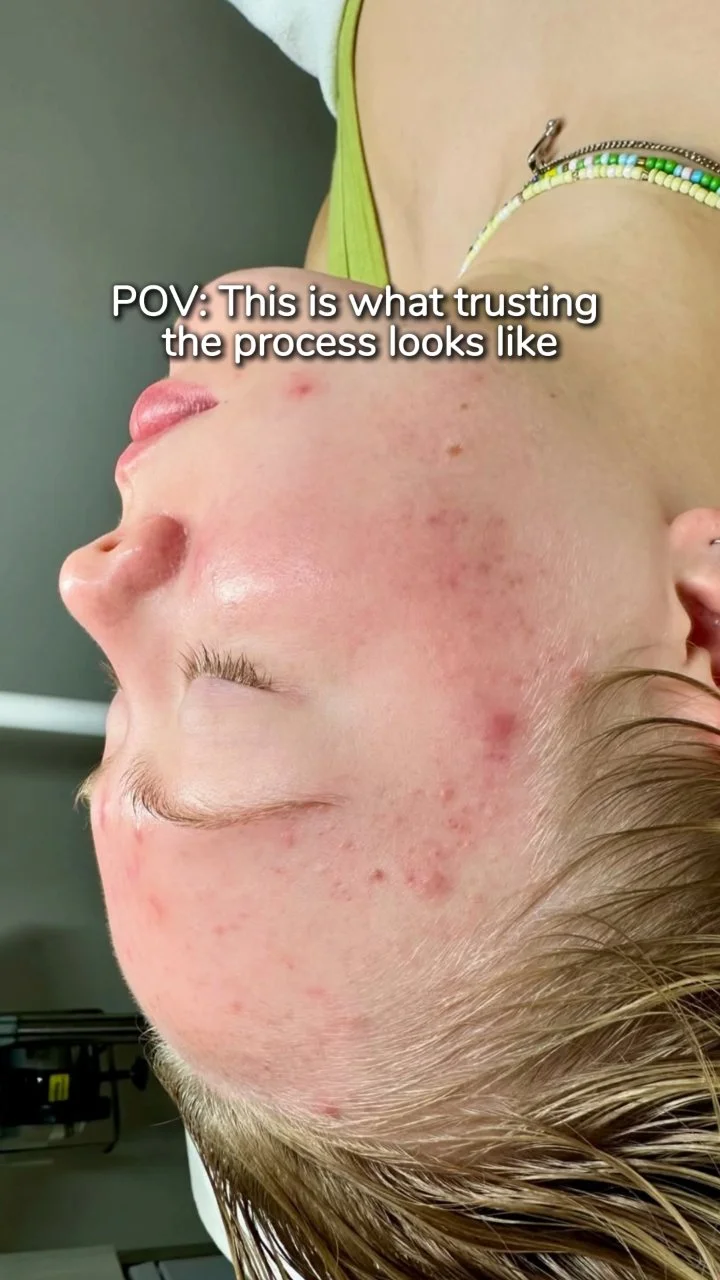


Skin Bliss was voted the #1 Best Skincare Clinic in Helena in the 2025 Best of Helena Awards. Helena’s premier destination for personalized skincare solutions.

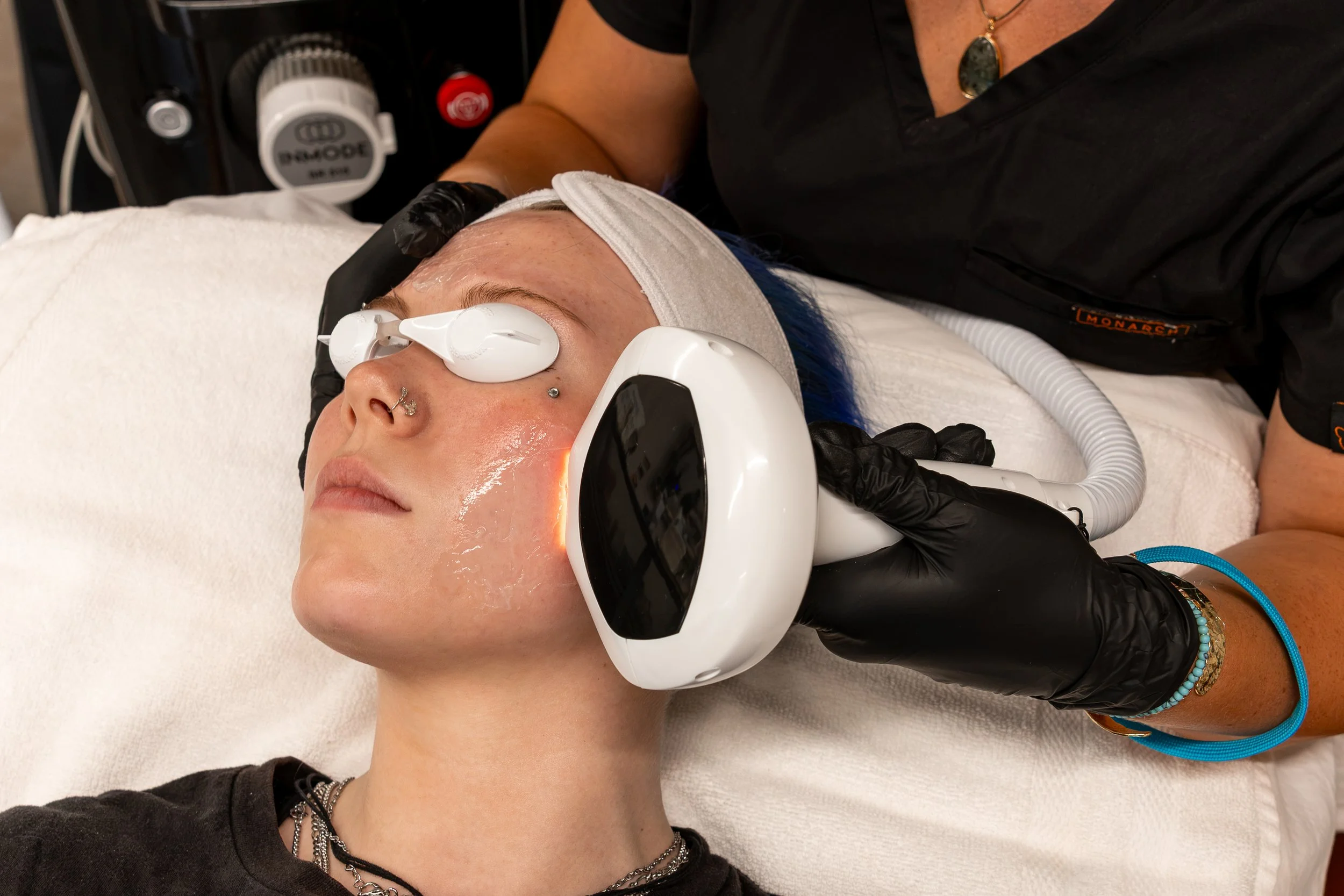
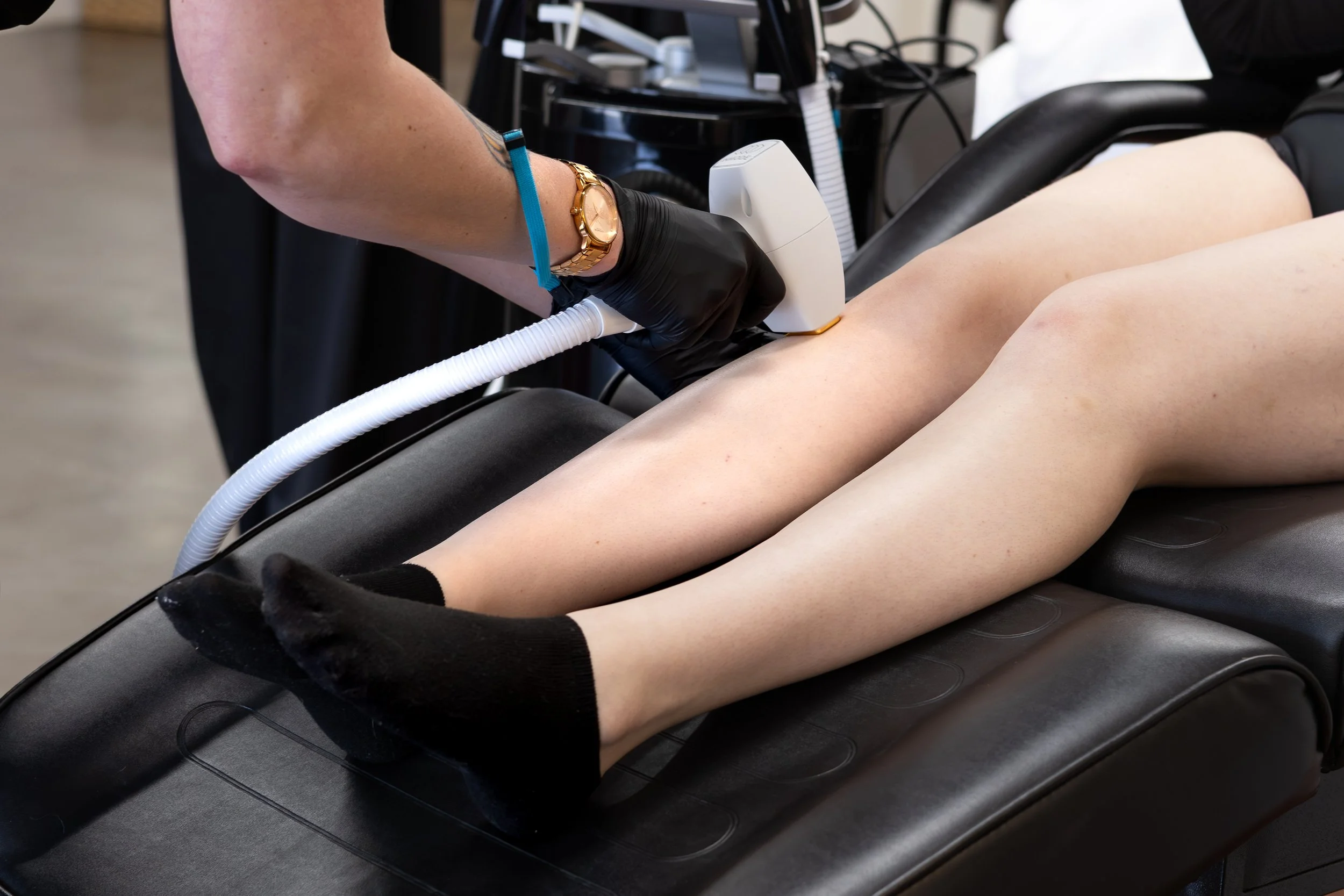
Compare RF microneedling and traditional microneedling for skin tightening, acne scars, texture, downtime, and results. Learn which treatment may be right for your skin in Helena, MT.