
Collagen vs. Elastin: How RF Microneedling Rebuilds Your Skin's Foundation
RF Microneedling
The quest for youthful, radiant skin has led to remarkable advances in aesthetic medicine, with RF microneedling emerging as one of the most effective treatments for skin rejuvenation. To understand why this technology works so well, we need to explore the fundamental building blocks of skin structure: collagen and elastin. These two proteins form the foundation of healthy, youthful skin, and their gradual decline is responsible for most visible signs of aging.
Table of Contents
- Understanding Your Skin's Architecture
- Collagen: The Structural Pillar
- Elastin: The Spring in Your Skin
- Enter RF Microneedling: A Dual-Action Solution
- The Science Behind Controlled Injury
- Depth Matters: Targeting the Right Layers
- Beyond Collagen and Elastin: Additional Benefits
- The Treatment Timeline: What to Expect
- Treatment Protocols: Optimizing Results
- Who Benefits Most from RF Microneedling
- Safety Considerations and Potential Risks
- Making the Decision: Is RF Microneedling Right for You?
- Conclusion: Rebuilding from the Foundation
- FAQs
Understanding Your Skin's Architecture
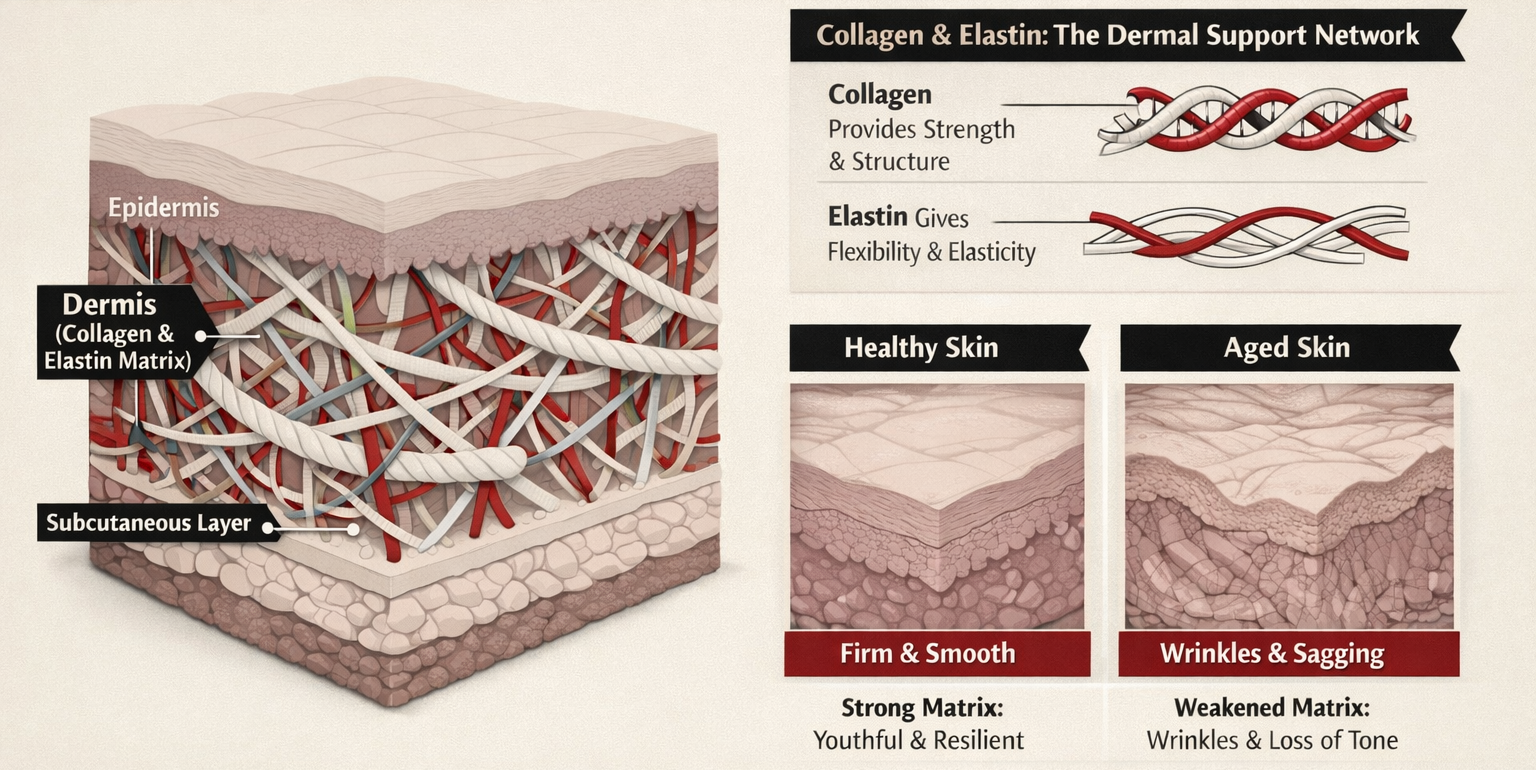
Your skin is far more than just a protective barrier. It's a complex, multilayered organ with sophisticated structural components that determine how it looks, feels, and functions. The dermis, the skin's middle layer, contains a matrix of proteins and other substances that give skin its strength, elasticity, and youthful appearance.
At the heart of this dermal matrix are two critical proteins: collagen and elastin. Together, they form an intricate network that supports the skin from within, much like the framework of a building. When this framework is strong and intact, skin appears smooth, firm, and resilient. When it deteriorates, we see wrinkles, sagging, and loss of tone.
Collagen: The Structural Pillar
Collagen is the most abundant protein in the human body, making up approximately 75-80% of our skin's dry weight. Think of collagen as the steel beams in a building's structure—it provides the fundamental strength and support that keeps everything in place.
The Role of Collagen in Skin Health
Collagen fibers form a dense, organized network throughout the dermis. These fibers create a scaffold that supports the skin's outer layer (epidermis) and gives skin its firmness and thickness. When collagen levels are optimal, skin appears plump, smooth, and resilient to external pressures.
There are actually 28 different types of collagen in the human body, but Type I and Type III are the primary forms found in skin. Type I collagen accounts for about 80-85% of the collagen in the dermis and provides tensile strength. Type III collagen is more prevalent in younger skin and contributes to skin elasticity and firmness.
What Happens When Collagen Declines
Starting in our mid-20s, collagen production begins to slow down by approximately 1% each year. This gradual decline accelerates in our 40s and 50s, and becomes particularly pronounced in women after menopause due to decreasing estrogen levels.
As collagen breaks down faster than the body can replace it, several visible changes occur. The skin becomes thinner and more fragile, fine lines and wrinkles begin to appear, especially in areas of repeated facial expressions, and the skin loses its plump, youthful fullness. Deep creases form around the mouth and between the eyebrows, and the overall texture of the skin becomes rougher and less refined.
Beyond aging, several factors accelerate collagen breakdown. UV radiation from sun exposure is one of the most damaging, triggering enzymes called matrix metalloproteinases (MMPs) that break down collagen. Smoking restricts blood flow to the skin and introduces toxins that damage collagen fibers. Poor nutrition, particularly deficiencies in vitamin C and protein, can impair collagen synthesis. Chronic stress elevates cortisol levels, which can accelerate collagen degradation, and pollution and environmental toxins create oxidative stress that damages collagen molecules.
Elastin: The Spring in Your Skin
If collagen is the steel beams, elastin is the elastic bands that allow the structure to flex and return to its original shape. Elastin makes up only about 2-4% of the skin's dermal composition, but its impact on skin appearance is profound.
How Elastin Functions
Elastin fibers are coiled proteins that can stretch up to 150% of their original length and then snap back, much like a rubber band. This remarkable property gives skin its ability to bounce back when pulled, pinched, or stretched during facial expressions.
The elastin network works in concert with collagen, providing the flexibility that complements collagen's strength. When you smile, frown, or raise your eyebrows, elastin fibers allow your skin to move and then return to its resting position without leaving permanent creases.
The Elastin Decline
Unlike collagen, which continues to be produced throughout life (albeit at decreasing rates), elastin production essentially stops after puberty. The elastin you have in your skin as an adult is largely the same elastin that was formed during your developmental years.
This makes elastin particularly vulnerable to cumulative damage over time. Once elastin fibers are damaged or broken, the body has very limited ability to replace them. Sun exposure is especially harmful to elastin, causing a condition called solar elastosis where damaged elastin accumulates in sun-exposed skin.
As elastin degrades, skin loses its ability to snap back after movement or stretching. This leads to sagging, particularly in areas where gravity pulls downward like the jowls, neck, and under-eye area. Skin also develops permanent expression lines because it can no longer return to its smooth state after facial movements. The overall texture becomes lax and loose, and skin may appear to "drape" rather than fit snugly over facial contours.
The Collagen-Elastin Partnership
While we often discuss collagen and elastin separately, their true power lies in how they work together. Collagen provides the structural framework while elastin allows for movement and resilience within that framework. When both are present in optimal amounts and in good condition, skin exhibits the characteristics we associate with youth: firmness, smoothness, elasticity, and the ability to resist and recover from environmental stresses.
The ratio and organization of these proteins also matter. Young skin has highly organized collagen bundles with elastin fibers interwoven throughout. As we age, this organization becomes disrupted. Collagen bundles fragment and become disorganized, while elastin fibers clump and lose their functional structure.
Enter RF Microneedling: A Dual-Action Solution
Radiofrequency (RF) microneedling has emerged as one of the most effective treatments for addressing collagen and elastin deficiencies because it works through multiple mechanisms to trigger the body's natural healing and regeneration processes.
How RF Microneedling Works
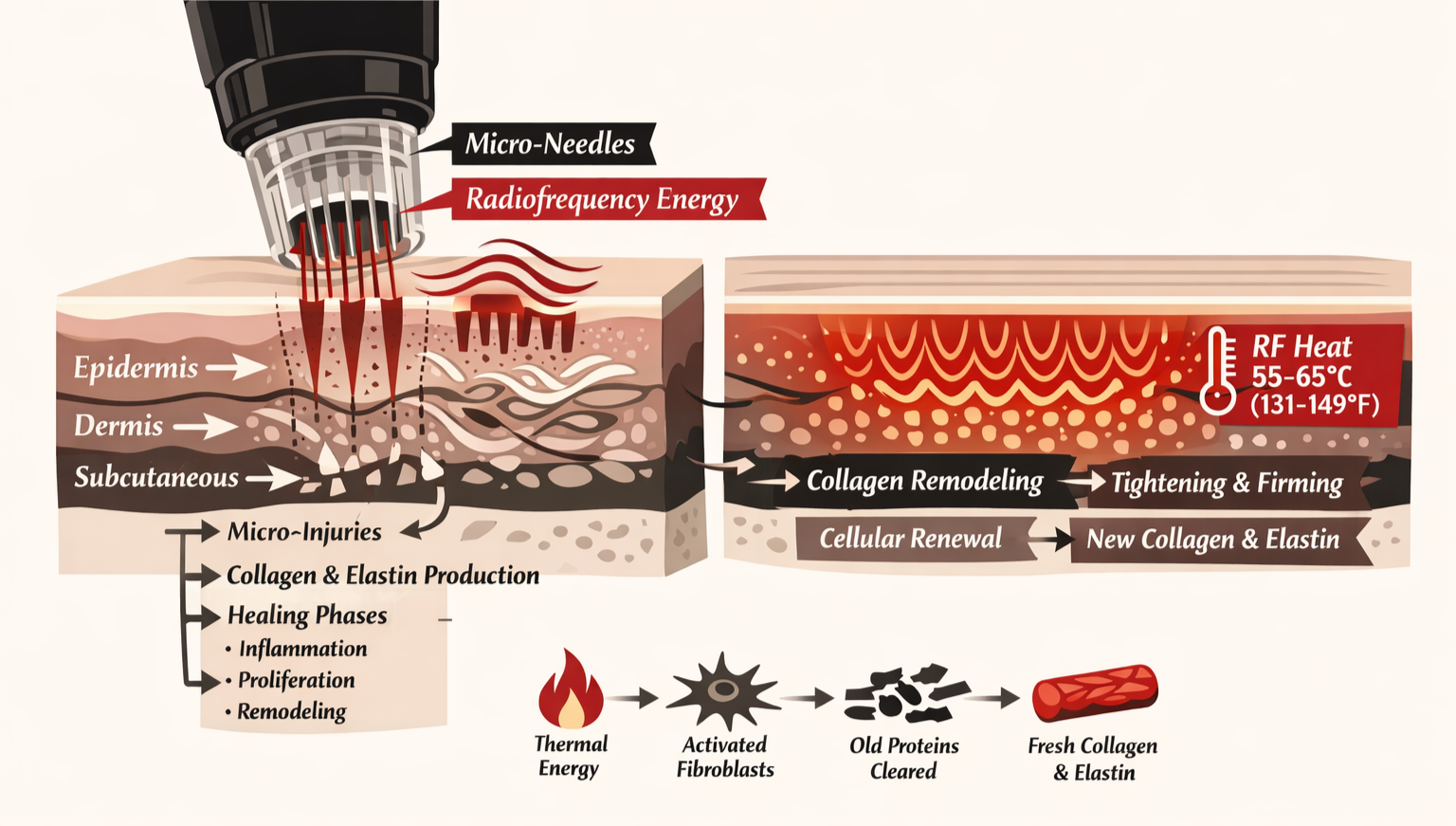
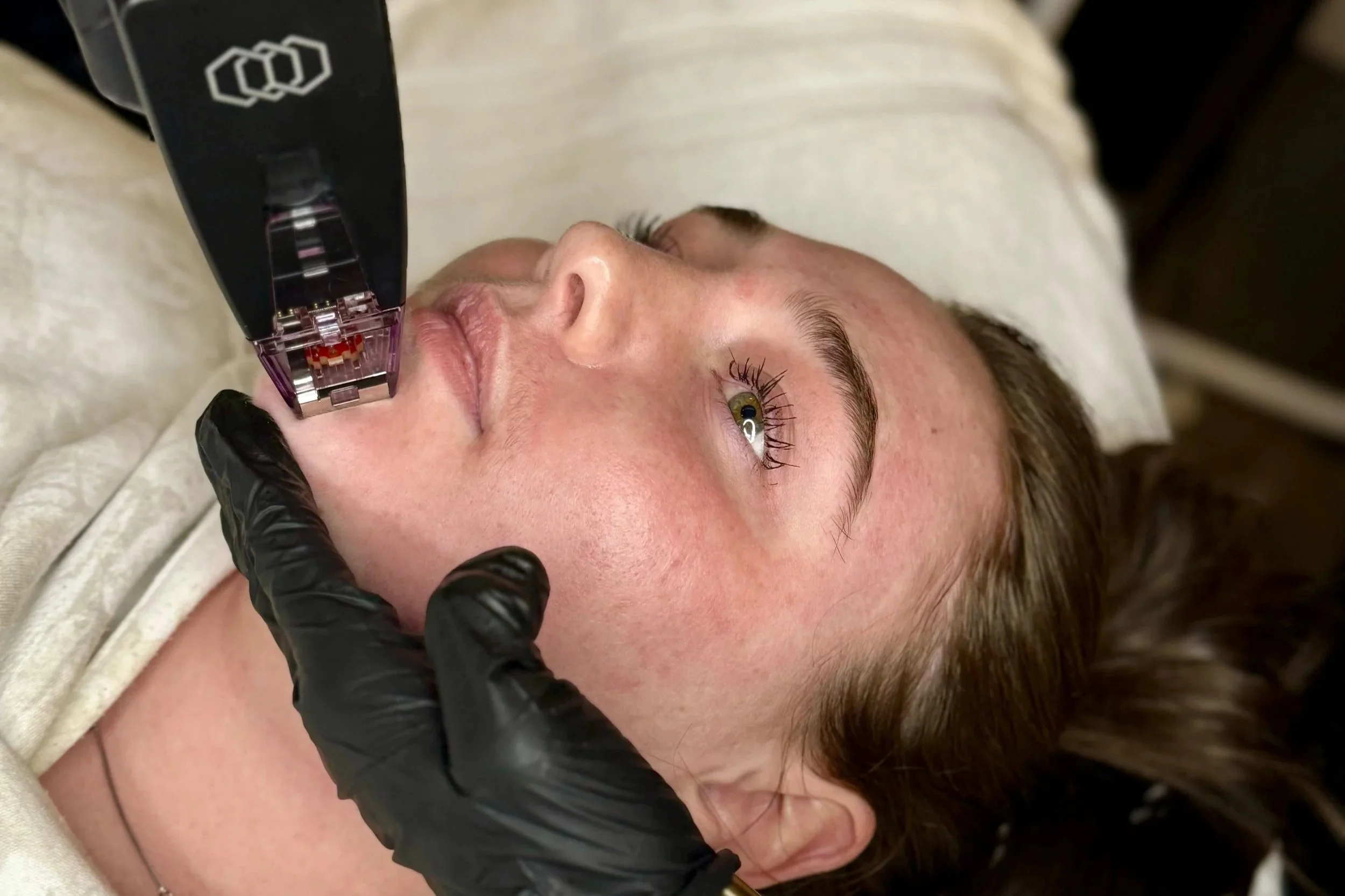
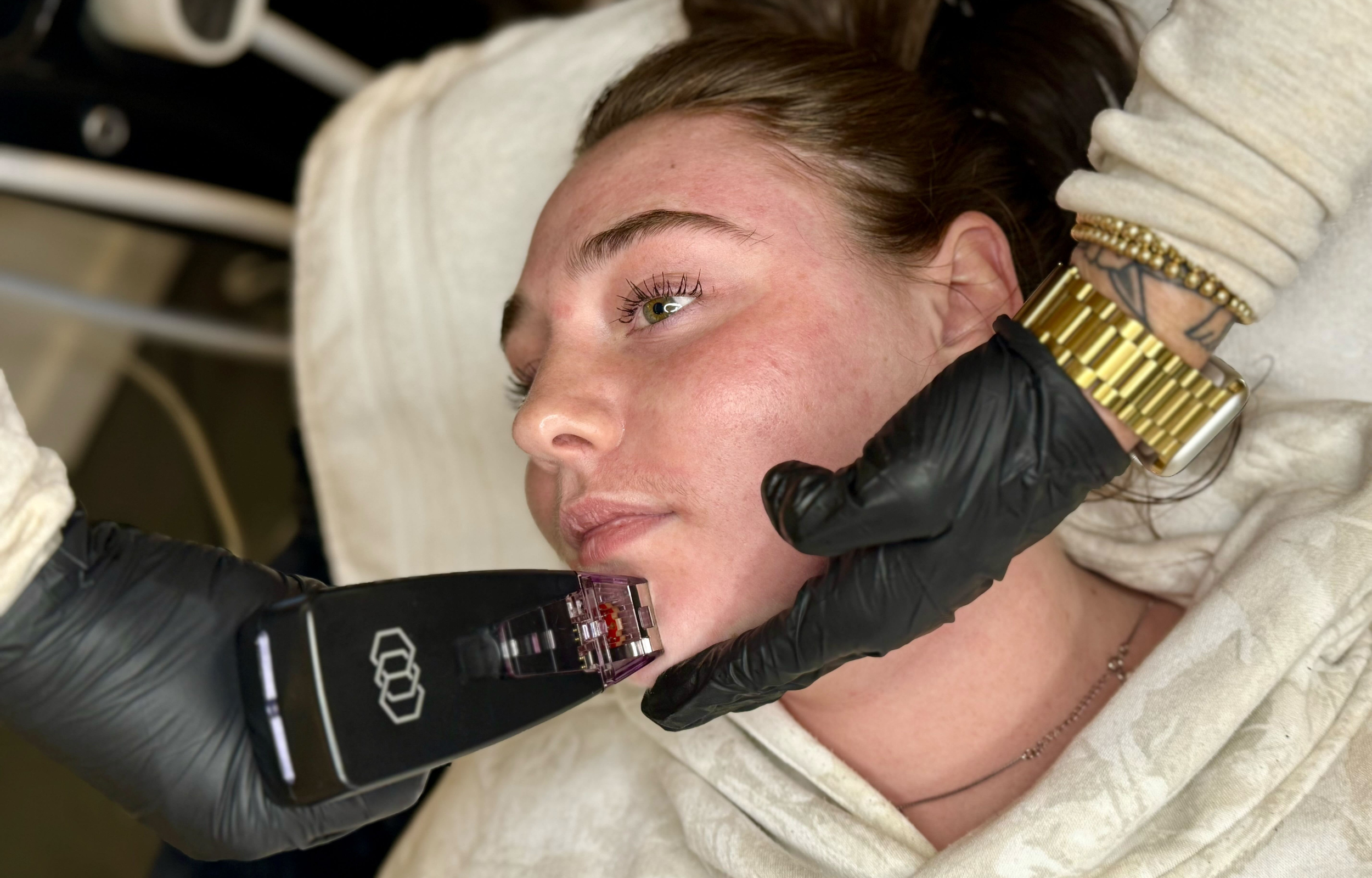
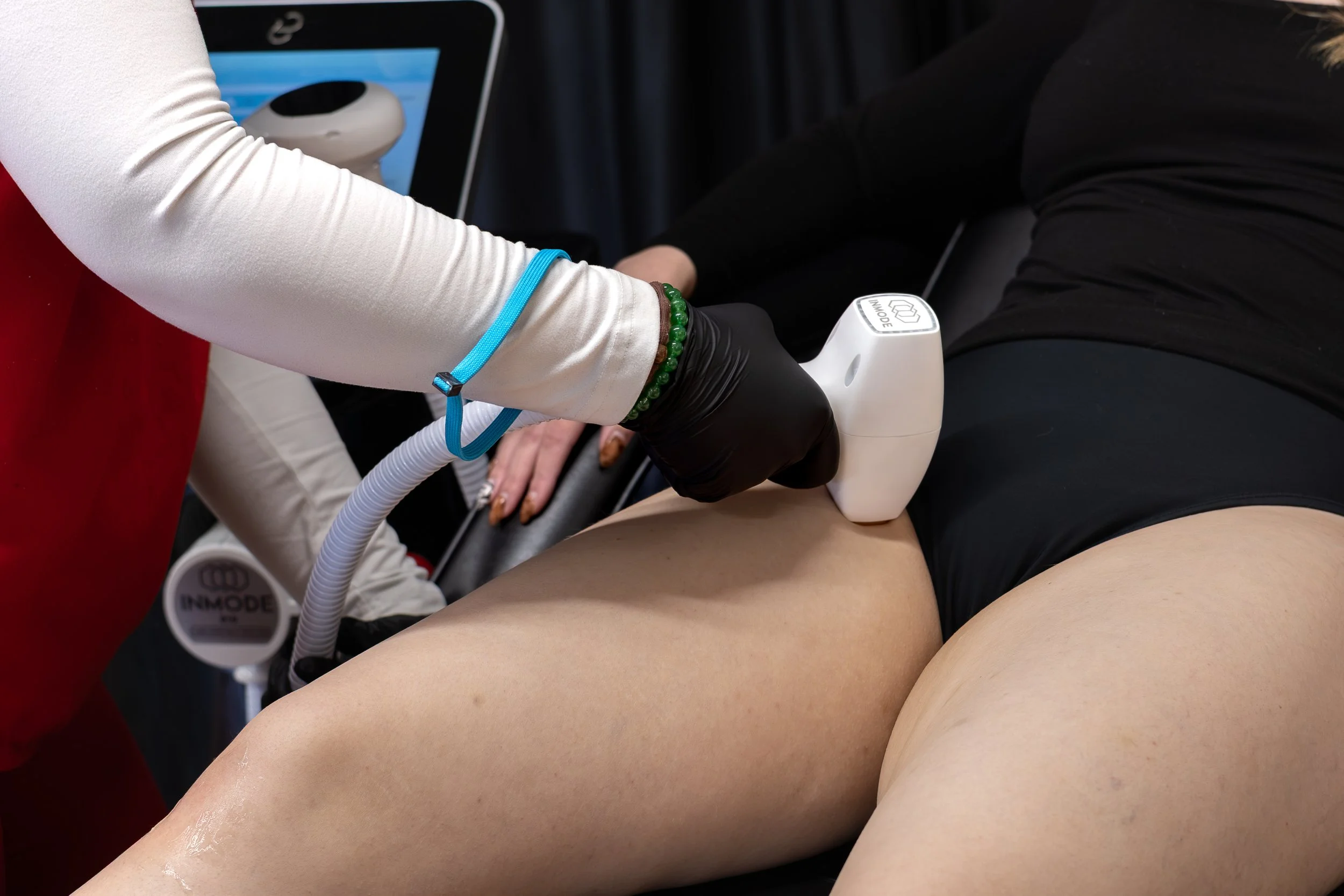
RF microneedling combines two powerful technologies: traditional microneedling and radiofrequency energy. The treatment uses a device with ultra-fine needles that create controlled micro-injuries in the skin while simultaneously delivering radiofrequency energy into the deeper dermal layers.
The microneedling component creates thousands of microscopic channels in the skin. These controlled injuries trigger the body's wound healing cascade, which includes inflammation, proliferation, and remodeling phases. During these phases, the body naturally ramps up production of new collagen and, to a lesser extent, elastin-supporting proteins.
The radiofrequency energy component adds another dimension to the treatment. RF energy creates controlled thermal zones in the dermis, heating the tissue to temperatures between 55-65°C (131-149°F). This heat causes existing collagen fibers to immediately contract and tighten, providing some instant improvement in skin firmness.
More importantly, the thermal energy triggers a robust healing response that continues for months after treatment. The heat activates fibroblasts, the cells responsible for producing collagen and elastin. It also creates a controlled injury at the cellular level, which signals the body to clear away old, damaged proteins and replace them with fresh, functional ones.
The Collagen Rebuilding Process
When RF microneedling stimulates collagen production, it's not just about quantity—the quality and organization of new collagen matter tremendously.
During the first few days after treatment, the body initiates an inflammatory response. White blood cells clear away damaged tissue and release growth factors that signal fibroblasts to migrate to the treatment area. Over the following weeks, fibroblasts begin producing new collagen, initially Type III collagen which forms quickly but is less organized.
Over the subsequent months (typically 3-6 months post-treatment), this Type III collagen gradually converts to Type I collagen, which is denser, stronger, and more durable. The new collagen is laid down in a more organized, youthful pattern rather than the haphazard arrangement seen in aged skin.
Studies have shown that RF microneedling can increase dermal collagen density by 400% or more in treated areas, with improvements continuing for up to six months after a single treatment session.
Elastin Support and Regeneration
While the body cannot produce new elastin after puberty, RF microneedling still provides significant benefits for skin elasticity through several mechanisms.
The treatment stimulates production of fibrillin and other proteins that support and organize elastin fibers. These supporting structures help damaged elastin function more effectively. RF microneedling also removes damaged, non-functional elastin fragments through the remodeling process, allowing remaining healthy elastin to work better.
Additionally, by creating an environment rich in growth factors and improved circulation, RF microneedling may support the limited elastogenesis (elastin production) that can still occur in adult skin under optimal conditions. The improved collagen network also provides better structural support, which helps compensate for elastin loss and maintains skin resilience.
The Science Behind Controlled Injury
The concept of deliberately injuring the skin to improve it might seem counterintuitive, but it's based on solid scientific principles. The key word is "controlled." Unlike traumatic injury or damage from sun exposure, RF microneedling creates precise, calculated micro-injuries that the body can easily repair.
The Wound Healing Cascade
When skin is injured in a controlled manner, it triggers a sophisticated biological response that has evolved over millions of years. This response occurs in overlapping phases.
The inflammatory phase (days 1-3) involves blood vessels constricting to prevent bleeding, followed by dilation to bring immune cells and growth factors to the area. Platelets release growth factors including platelet-derived growth factor (PDGF), transforming growth factor-beta (TGF-β), and vascular endothelial growth factor (VEGF).
The proliferative phase (days 4-21) sees fibroblasts migrate to the wound site and begin producing new collagen and other extracellular matrix components. New blood vessels form to support the healing tissue (angiogenesis), and keratinocytes multiply to resurface the skin.
The remodeling phase (21 days to 1+ years) involves collagen reorganization from disorganized Type III to organized Type I, removal of excess cells and proteins that are no longer needed, and maturation and strengthening of the new tissue.
Why RF Energy Enhances the Response
Adding radiofrequency energy to microneedling significantly amplifies the regenerative response. The thermal energy denatures old, damaged collagen proteins, which signals the body that replacement is needed. It also upregulates heat shock proteins, which protect cells from stress and enhance the healing response.
RF energy creates a three-dimensional wound healing response, not just at the surface but throughout the dermal thickness. The volumetric heating reaches depths that mechanical needling alone cannot achieve. This deeper stimulation is crucial for addressing advanced signs of aging and for treating areas with thicker skin.
Depth Matters: Targeting the Right Layers
One of the advantages of RF microneedling over other skin rejuvenation treatments is its ability to precisely target specific depths where collagen and elastin rebuilding will have the most impact.
Understanding Skin Layers
The epidermis, the outermost layer, is only about 0.05-1.5mm thick and contains no blood vessels. It primarily consists of keratinocytes and melanocytes. The dermis, where collagen and elastin reside, is 1-4mm thick depending on body location. This layer contains fibroblasts, blood vessels, nerves, and the all-important extracellular matrix of collagen and elastin.
The upper dermis (papillary dermis) has loosely arranged collagen and is important for skin texture and fine lines. The lower dermis (reticular dermis) contains dense collagen bundles and is crucial for skin firmness and deep wrinkles.
Customizing Needle Depth
Modern RF microneedling devices allow practitioners to adjust needle depth from 0.5mm to 4mm or more, depending on the area being treated and the concern being addressed.
For fine lines and texture, needles penetrate 0.5-1.5mm into the upper dermis. For moderate wrinkles and skin laxity, depths of 1.5-2.5mm target the mid-dermis. For deep wrinkles, scars, and significant laxity, depths of 2.5-4mm reach the deep reticular dermis where the most substantial collagen and elastin framework exists.
Thicker skin areas like the body, neck, and décolletage can tolerate and benefit from deeper treatment, while thinner areas like around the eyes require more conservative depths to ensure safety.
Beyond Collagen and Elastin: Additional Benefits
While collagen and elastin rebuilding are the primary mechanisms by which RF microneedling improves skin, the treatment provides several other beneficial effects that contribute to overall skin rejuvenation.
Improved Skin Barrier Function
The microchannels created during treatment stimulate the production of lipids and proteins that strengthen the skin barrier. A healthier barrier better retains moisture, resists environmental stressors, and appears more luminous and even-toned.
Enhanced Product Absorption
The temporary microchannels allow topical products applied during and immediately after treatment to penetrate much more deeply than they would on intact skin. This means that growth factor serums, peptides, and other active ingredients can reach the dermis where they can support collagen and elastin production.
Pigmentation and Texture Improvement
The skin remodeling process also helps break up areas of hyperpigmentation and smooth out irregularities in skin texture. The increased cell turnover brings fresh, evenly pigmented cells to the surface while damaged, pigmented cells are shed.
Pore Size Reduction
As collagen production increases and skin becomes firmer, pores that have been stretched and enlarged due to lost structural support often appear smaller. The skin's improved texture also makes pores less noticeable.
Scar Remodeling
RF microneedling is particularly effective for acne scars, surgical scars, and stretch marks. The treatment breaks down old, fibrous scar tissue while stimulating new, more organized collagen formation that better matches surrounding healthy skin.
The Treatment Timeline: What to Expect
Understanding the timeline of collagen and elastin rebuilding helps set realistic expectations for RF microneedling results.
Immediate Effects
Right after treatment, skin will be red and may be slightly swollen, similar to a moderate sunburn. There is some immediate collagen contraction from the heat, which can provide a subtle tightening effect, though this is minimal compared to the long-term results.
First Week
Redness typically subsides within 24-72 hours for most people. Skin may feel tight and dry as it heals. By day 5-7, any flaking or peeling from the surface micro-injuries has usually completed, and skin looks and feels more normal.
Weeks 2-4
The proliferative phase is in full swing. Fibroblasts are actively producing new collagen and other matrix components. Skin may start to look brighter and feel slightly firmer as new proteins begin to organize.
Months 2-3
This is when people typically start noticing significant improvements. New Type I collagen is replacing the initial Type III collagen. Wrinkles appear softer, skin feels firmer, and texture is noticeably smoother. Elasticity may improve as the collagen network provides better structural support.
Months 4-6
Results continue to improve as collagen remodeling continues. The full effects of a single treatment typically peak around 6 months post-treatment. This is why practitioners often recommend waiting this long before assessing whether additional treatments are needed.
Long-Term Maintenance
The new collagen and improved skin structure can last for years, but they're not immune to the ongoing aging process. Most people benefit from maintenance treatments every 12-18 months to continue stimulating collagen production and counteracting age-related degradation.
Treatment Protocols: Optimizing Results
The number and frequency of RF microneedling treatments needed varies based on individual factors including age, skin condition, treatment goals, and the specific device being used.
Standard Protocol
For general anti-aging and skin quality improvement, most practitioners recommend a series of 3-4 treatments spaced 4-6 weeks apart. This allows each treatment to build upon the previous one while giving skin adequate time to heal and begin the remodeling process.
For more significant concerns like deep wrinkles, severe laxity, or extensive scarring, 4-6 treatments may be recommended. Some conditions like deep acne scars might require even more sessions for optimal results.
Why Spacing Matters
The 4-6 week spacing is strategic. It allows the inflammatory phase from one treatment to resolve before creating new micro-injuries. It gives fibroblasts time to ramp up collagen production in response to the first treatment, and it ensures the skin barrier has fully restored before undergoing another treatment.
Some newer protocols use slightly closer spacing (3-4 weeks) for certain indications, while others recommend longer intervals (6-8 weeks) for more aggressive treatments or sensitive skin types.
Combining Approaches: Maximizing Collagen and Elastin Support
While RF microneedling is powerful on its own, many practitioners combine it with complementary treatments and skincare to maximize collagen and elastin benefits.
Synergistic Treatments
Platelet-rich plasma (PRP) or platelet-rich fibrin (PRF) applied during RF microneedling can enhance results by providing additional growth factors that support collagen synthesis. Exosomes and growth factor serums delivered through the microchannels may amplify the regenerative response. Some practitioners combine RF microneedling with other energy-based devices like laser or ultrasound for comprehensive skin rejuvenation.
Supporting Skincare
Before treatment, pre-conditioning the skin with retinoids for 4-6 weeks can optimize fibroblast activity and treatment results. Post-treatment, using growth factors, peptides, and niacinamide can support the collagen production process. Broad-spectrum sunscreen is absolutely essential to protect the new collagen and elastin from UV damage.
Long-term, incorporating ingredients that support collagen production—vitamin C, retinoids, peptides, and alpha hydroxy acids—helps maintain and extend results.
Lifestyle Factors
The best RF microneedling results occur when supported by healthy lifestyle habits. Adequate protein intake provides the amino acids needed for collagen synthesis. Staying well-hydrated supports overall skin health and the healing process. Not smoking is crucial, as tobacco smoke dramatically impairs collagen production and accelerates degradation. Managing stress keeps cortisol levels in check, protecting existing collagen. Quality sleep gives the body time to carry out repair and regeneration processes.
Who Benefits Most from RF Microneedling
RF microneedling is remarkably versatile, but certain individuals tend to see particularly impressive results.
Ideal Candidates
People in their 30s and 40s with early to moderate signs of aging often see dramatic improvements because their fibroblasts are still relatively robust and responsive. Those with sun-damaged skin, characterized by rough texture, uneven tone, and crepey appearance, benefit from the comprehensive remodeling RF microneedling provides.
Individuals with acne scars or other types of scarring can achieve significant improvement as the treatment breaks down fibrous scar tissue and stimulates organized collagen formation. People with mild to moderate skin laxity who aren't ready for surgical intervention can achieve noticeable tightening through collagen contraction and regeneration.
Those with large pores, uneven texture, or dull skin tone see improvements as the skin remodeling process addresses these concerns alongside collagen and elastin rebuilding.
Who Should Wait or Choose Alternatives
Active acne or skin infections should be resolved before treatment to prevent spreading bacteria through the microchannels. People with certain autoimmune conditions or connective tissue disorders should consult with their physician, as their ability to heal and produce new collagen may be compromised.
Those currently using isotretinoin (Accutane) should wait at least 6-12 months after stopping the medication before undergoing RF microneedling. Pregnant or nursing women should postpone treatment until after this period. Individuals with keloid scarring tendencies need careful evaluation, as the controlled injury could potentially trigger abnormal scar formation.
People with unrealistic expectations about what RF microneedling can achieve may be disappointed. While results can be remarkable, this is not a replacement for surgical intervention in cases of severe laxity or deep volume loss.
Safety Considerations and Potential Risks
RF microneedling has an excellent safety profile when performed by a properly trained practitioner, but as with any medical aesthetic procedure, there are potential risks and side effects to be aware of.
Common, Expected Side Effects
Redness and swelling for 24-72 hours is normal and expected. Skin may feel tight, dry, or sensitive for several days. Minor pinpoint bleeding during treatment is common and resolves immediately. Temporary changes in skin sensation, including increased sensitivity or slight numbness, typically resolve within a few days.
Rare but Possible Complications
Infection is very rare but can occur if proper sterile technique isn't followed or if post-treatment care instructions aren't followed. Hyperpigmentation can develop in darker skin types or if sun exposure occurs too soon after treatment. Hypopigmentation is rare but possible, especially with overly aggressive settings. Scarring is extremely rare with modern devices and proper technique but remains a possibility.
Minimizing Risks
Choosing a qualified, experienced practitioner is the most important factor in ensuring safe, effective treatment. Following all pre-treatment and post-treatment instructions carefully significantly reduces risk. Being honest about medical history, medications, and skin concerns allows your practitioner to customize treatment appropriately. Protecting treated skin from sun exposure prevents pigmentation issues and protects new collagen.
The Future of Collagen and Elastin Regeneration
The field of skin rejuvenation continues to evolve, with exciting developments on the horizon that may further enhance our ability to rebuild collagen and elastin.
Emerging Technologies
Newer RF microneedling devices offer improved precision, comfort, and efficacy. Some incorporate real-time temperature monitoring to optimize energy delivery. Others use fractional RF patterns to create even more precise treatment zones while preserving surrounding tissue for faster healing.
Researchers are exploring topical and injectable agents that can more directly stimulate elastin production, potentially addressing this harder-to-replace protein. Gene therapy approaches aimed at upregulating collagen and elastin genes are in early development stages.
Combination devices that integrate multiple technologies (RF, microneedling, laser, LED) in a single treatment are becoming more sophisticated, potentially allowing for even more comprehensive skin remodeling.
Personalized Treatment Approaches
The future likely holds more personalized treatment protocols based on individual skin analysis, genetic factors, and specific collagen and elastin profiles. Advanced imaging might allow practitioners to visualize the dermal matrix before and after treatment, enabling more targeted intervention.
Making the Decision: Is RF Microneedling Right for You?
Deciding whether to pursue RF microneedling involves weighing several factors specific to your situation, goals, and resources.
Questions to Consider
What specific concerns are you hoping to address? RF microneedling is particularly effective for texture, fine-to-moderate wrinkles, and mild laxity, but less effective for severe sagging or deep volume loss. What is your timeline for seeing results? If you need immediate improvement for an upcoming event, RF microneedling may not be ideal since results develop over months.
Are you committed to the recommended series of treatments and the necessary downtime? Results are cumulative, and optimal improvement requires multiple sessions. What is your budget? RF microneedling requires an investment both for the initial series and for maintenance over time.
Do you have realistic expectations? Understanding what the treatment can and cannot achieve is crucial for satisfaction. Are you willing to commit to sun protection and supportive skincare? Results depend partly on how well you protect and maintain your skin after treatment.
Taking the Next Step
If you're considering RF microneedling, schedule consultations with qualified practitioners who can assess your skin, discuss your goals, and create a customized treatment plan. Look for providers with extensive experience, proper training, and high-quality devices.
During your consultation, ask to see before-and-after photos of patients with similar concerns, discuss the specific protocol being recommended and why, understand the total investment including all recommended sessions, learn about what supportive treatments or products are advised, and clarify the expected timeline for results and recommended maintenance schedule.
Conclusion: Rebuilding from the Foundation
Collagen and elastin are the unsung heroes of youthful, healthy skin. These proteins form an intricate foundation that determines how skin looks, feels, and functions. As they decline with age and environmental exposure, we see the visible signs of aging we all hope to prevent or reverse.
RF microneedling stands out among skin rejuvenation treatments because it addresses skin aging at this fundamental level. Rather than just treating surface symptoms, it triggers the body's own regenerative processes to rebuild the dermal matrix from within. The controlled micro-injuries and thermal energy work synergistically to stimulate robust collagen production and support elastin function.
The results speak for themselves—firmer, smoother, more resilient skin that looks naturally refreshed rather than artificially altered. While RF microneedling isn't a miracle cure and can't completely stop the aging process, it provides a scientifically sound, minimally invasive way to turn back the clock and maintain a more youthful foundation for years to come.
By understanding how collagen and elastin work, why they decline, and how RF microneedling stimulates their regeneration, you can make informed decisions about whether this treatment aligns with your skin health goals. With proper treatment from a qualified practitioner and ongoing skin support through sun protection and quality skincare, RF microneedling can deliver lasting improvements that radiate from your skin's rebuilt foundation.
FAQs
-
One of the most common questions about RF microneedling relates to the timeline for visible results. Unlike some aesthetic treatments that provide immediate gratification, RF microneedling works by triggering your body's natural collagen production process, which takes time to unfold.
You may notice some immediate improvements in skin texture and a slight tightening effect within the first week due to collagen contraction from the heat. However, these initial changes are minimal compared to what's coming. The real transformation begins around weeks 2-4 as your fibroblasts start actively producing new collagen in response to the controlled micro-injuries.
Most people begin seeing noticeable improvements between 4-8 weeks after their first treatment, with skin appearing brighter, smoother, and slightly firmer. The most dramatic results typically appear between 3-6 months post-treatment, as this is when collagen remodeling is at its peak. The initial Type III collagen produced in the first few weeks gradually converts to denser, more durable Type I collagen, and the new collagen fibers organize themselves into a more youthful architecture.
Collagen production continues for up to six months after a single treatment, which is why practitioners often recommend waiting this full period before assessing whether additional sessions are needed. If you're undergoing a series of treatments spaced 4-6 weeks apart, you'll experience cumulative benefits, with each session building upon the previous one. The final results from a complete series typically peak around 3-6 months after your last treatment session.
It's worth noting that everyone's collagen production capacity varies based on age, genetics, overall health, and lifestyle factors. Younger patients with more active fibroblasts may see faster results, while older patients might need more sessions to achieve their desired outcomes. Patience is essential—rushing the process or expecting overnight results will only lead to disappointment with what is actually a highly effective treatment.
-
The addition of radiofrequency energy to traditional microneedling creates a significantly more powerful collagen-stimulating treatment, though both modalities have their place in aesthetic medicine.
Traditional microneedling (also called collagen induction therapy) uses fine needles to create controlled micro-injuries in the skin. These injuries trigger the wound healing cascade, which includes increased collagen production. Traditional microneedling is effective for improving skin texture, reducing fine lines, minimizing pore size, and treating certain types of scars. It's also generally more affordable and has minimal downtime.
RF microneedling combines these mechanical micro-injuries with radiofrequency energy delivered through the needles into the deeper layers of skin. This combination provides several advantages. The RF energy creates volumetric heating throughout the dermis, stimulating collagen production not just at the surface but throughout the skin's depth. This three-dimensional approach is far more effective for significant skin tightening and treating moderate to severe wrinkles.
The thermal energy causes immediate collagen contraction, providing some instant tightening that traditional microneedling cannot achieve. RF energy also denatures old, damaged collagen proteins, signaling the body to clear them away and produce fresh replacements. Studies suggest that RF microneedling can increase collagen production by up to 400% or more, significantly higher than traditional microneedling alone.
The heat from RF energy is particularly effective at treating skin laxity because it tightens existing collagen while simultaneously triggering new collagen synthesis. This dual action makes RF microneedling the superior choice for anti-aging concerns, especially for patients in their 40s and beyond dealing with moderate skin sagging and deeper wrinkles.
However, traditional microneedling still has its place. It's excellent for younger patients with mild concerns, those primarily focused on texture and tone rather than laxity, people with very sensitive skin who may not tolerate the heat from RF, and patients on a tighter budget. Some practitioners also use traditional microneedling for maintenance between more intensive RF microneedling sessions.
The best choice depends on your specific concerns, skin condition, budget, and goals. A consultation with an experienced practitioner can help determine which modality—or combination of both—will serve you best.
-
This is an excellent question that highlights an important distinction in skin biology. While RF microneedling is primarily known for its collagen-stimulating effects, its impact on elastin is more nuanced and indirect, largely because elastin production essentially stops after puberty.
Unlike collagen, which continues to be produced throughout life (albeit at decreasing rates as we age), elastin is predominantly formed during fetal development and childhood. By the time you reach adulthood, you have most of the elastin you'll ever have. Your body has very limited capacity to produce new elastin fibers after puberty, which is why elastin loss is such a challenging aspect of skin aging to address.
However, RF microneedling still provides significant benefits for skin elasticity through several mechanisms. First, it stimulates the production of fibrillin and other structural proteins that support and organize existing elastin fibers. Think of these as the scaffolding that helps damaged or disorganized elastin function more effectively. When these supporting proteins are replenished, the elastin you do have can perform better.
Second, RF microneedling removes damaged, non-functional elastin fragments through the remodeling process. Sun-damaged skin often accumulates degraded elastin proteins that don't function properly but aren't cleared away naturally. The wound healing cascade triggered by RF microneedling helps clear this damaged material, allowing the remaining healthy elastin to work more efficiently.
Third, the robust collagen network created by RF microneedling provides crucial structural support that helps compensate for elastin loss. When collagen is abundant and properly organized, it creates a firm foundation that maintains skin resilience even when elastin is diminished. This is why improving collagen can significantly improve the appearance of skin laxity despite limited elastin regeneration.
Some research suggests that the growth factor-rich environment created by RF microneedling may support limited elastogenesis (elastin production) in adult skin, though this capacity is minimal compared to collagen synthesis. Combining RF microneedling with peptides, growth factors, or PRP may further enhance this limited elastin support.
While we can't fully replace lost elastin the way we can stimulate new collagen production, RF microneedling's ability to support existing elastin, clear damaged proteins, and create a compensatory collagen framework makes it one of the most effective non-surgical approaches for improving skin elasticity and addressing laxity.
-
The aesthetic medicine landscape offers several technologies that stimulate collagen production, each with distinct mechanisms, benefits, and ideal applications. Understanding these differences can help you choose the most appropriate treatment for your needs.
RF Microneedling creates controlled micro-injuries while delivering radiofrequency energy deep into the dermis. Its key advantages include precise depth control (0.5mm to 4mm), making it highly customizable for different areas and concerns. It's safe for all skin types with minimal risk of pigmentation issues, works through both mechanical injury and thermal energy for robust collagen stimulation, and has relatively minimal downtime compared to ablative treatments. RF microneedling is particularly effective for acne scars, moderate wrinkles, skin laxity, and texture improvement.
Ablative Laser Resurfacing (CO2 or Erbium lasers) vaporizes the skin's surface layers while heating deeper tissue to stimulate collagen. It provides dramatic results for severe sun damage and deep wrinkles, creates significant skin tightening through extensive collagen remodeling, and treats pigmentation and texture issues simultaneously. However, it requires substantial downtime (1-2 weeks or more), carries higher risk of pigmentation changes in darker skin types, involves more discomfort during treatment and recovery, and results are achieved primarily through one or two aggressive treatments rather than a series.
Non-Ablative Laser Treatments (like Fraxel) create columns of thermal damage beneath the skin surface without removing the epidermis. Benefits include less downtime than ablative treatments (typically 3-5 days), lower risk of complications, and effective for pigmentation and moderate texture issues. However, collagen stimulation is less robust than ablative options or RF microneedling, and multiple treatments are required for significant improvement.
Ultrasound (like Ultherapy) uses focused ultrasound energy to heat deep tissue layers, including the SMAS layer beneath the skin. It's FDA-cleared for skin lifting and provides deeper penetration than most other non-invasive options without breaking the skin surface. Ultrasound is particularly effective for brow lifting and jawline definition. However, it's less effective for surface concerns like texture and fine lines, can be quite uncomfortable during treatment, results take 3-6 months to develop, and it typically requires only one treatment but at a higher cost per session.
Radiofrequency (non-needling devices) deliver RF energy through the skin surface without needles. These treatments involve no downtime, are comfortable, and safe for all skin types. However, energy delivery is less precise and powerful than RF microneedling, results are more subtle, and more frequent treatments are needed.
RF microneedling occupies a sweet spot for many patients because it provides more dramatic collagen stimulation than non-invasive options while maintaining safety across skin types and requiring less downtime than ablative lasers. It's particularly valuable for treating both superficial concerns (texture, fine lines) and deeper issues (moderate laxity, scars) in a single treatment.
Many practices use a combination approach, potentially using RF microneedling for texture and moderate concerns, ultrasound for deeper lifting, and lasers for pigmentation. Your ideal treatment depends on your specific concerns, skin type, tolerance for downtime, and budget.
-
The decision about when to start RF microneedling and how to maintain results is highly individual, but there are some general guidelines based on skin biology and collagen production patterns.
When to Start RF Microneedling:
Most dermatologists suggest that late 20s to early 30s is an appropriate time to consider starting preventive RF microneedling, coinciding with when collagen production begins its steady decline (around 1% per year starting in the mid-20s). However, this doesn't mean everyone in their late 20s needs treatment immediately.
Consider RF microneedling when you notice early signs of collagen loss such as fine lines beginning to appear, especially around the eyes and mouth, skin texture becoming less smooth or more uneven, loss of that "plump" quality in your skin, or mild laxity starting to develop. You might also consider it if you have specific concerns like acne scarring, sun damage, or enlarged pores regardless of age.
For those in their 20s without visible concerns, focusing on prevention through excellent skincare, diligent sun protection, and healthy lifestyle habits is typically more appropriate than starting aggressive treatments. However, if you have acne scarring or other specific issues, RF microneedling can be beneficial at any age.
By your 30s and 40s, RF microneedling becomes increasingly valuable as collagen loss accelerates and visible signs of aging become more apparent. This is when most people see the most dramatic and satisfying results. Starting in your 50s and beyond is still beneficial, though you may need more treatments to achieve desired results as fibroblast activity naturally declines with age.
Maintaining Collagen and Elastin Between Treatments:
After completing an RF microneedling series, maintenance is crucial for preserving and extending your results. Sun protection is absolutely paramount—UV radiation is the single most damaging factor for collagen and elastin. Use broad-spectrum SPF 30+ daily, reapply every two hours when outdoors, wear protective clothing and hats, and seek shade during peak sun hours (10am-4pm).
A collagen-supporting skincare routine should include retinoids (prescription tretinoin or over-the-counter retinol) to stimulate ongoing collagen production and prevent breakdown. Vitamin C serum provides antioxidant protection and is essential for collagen synthesis. Peptides signal fibroblasts to produce more collagen. Niacinamide supports the skin barrier and has anti-inflammatory properties that protect collagen. Alpha hydroxy acids (AHAs) promote cell turnover and collagen stimulation. Growth factors and exosomes may provide additional collagen support, though these are higher-end options.
Lifestyle factors matter tremendously. Maintain adequate protein intake (collagen is made of amino acids from dietary protein), stay well-hydrated, avoid smoking and limit alcohol consumption, manage stress through meditation, exercise, or other techniques, get 7-9 hours of quality sleep nightly, and maintain a diet rich in antioxidants, vitamins, and minerals.
Maintenance Treatment Schedule:
After completing your initial RF microneedling series, most practitioners recommend maintenance treatments every 12-18 months to continue stimulating collagen production and counteract ongoing aging. Some people with more aggressive aging or higher aesthetic standards may prefer maintenance every 9-12 months, while others with excellent skin maintenance habits might extend to every 18-24 months.
Between RF microneedling sessions, consider gentler treatments like traditional microneedling every 4-6 months, light chemical peels quarterly, or LED light therapy monthly for ongoing but less intensive collagen support.
Remember that RF microneedling is not a one-and-done solution. While results can last for years, you're still aging and exposed to environmental stressors daily. The combination of periodic RF microneedling, excellent daily skincare, sun protection, and healthy lifestyle habits provides the most comprehensive approach to maintaining your collagen and elastin foundation for the long term.
Watch on Instagram












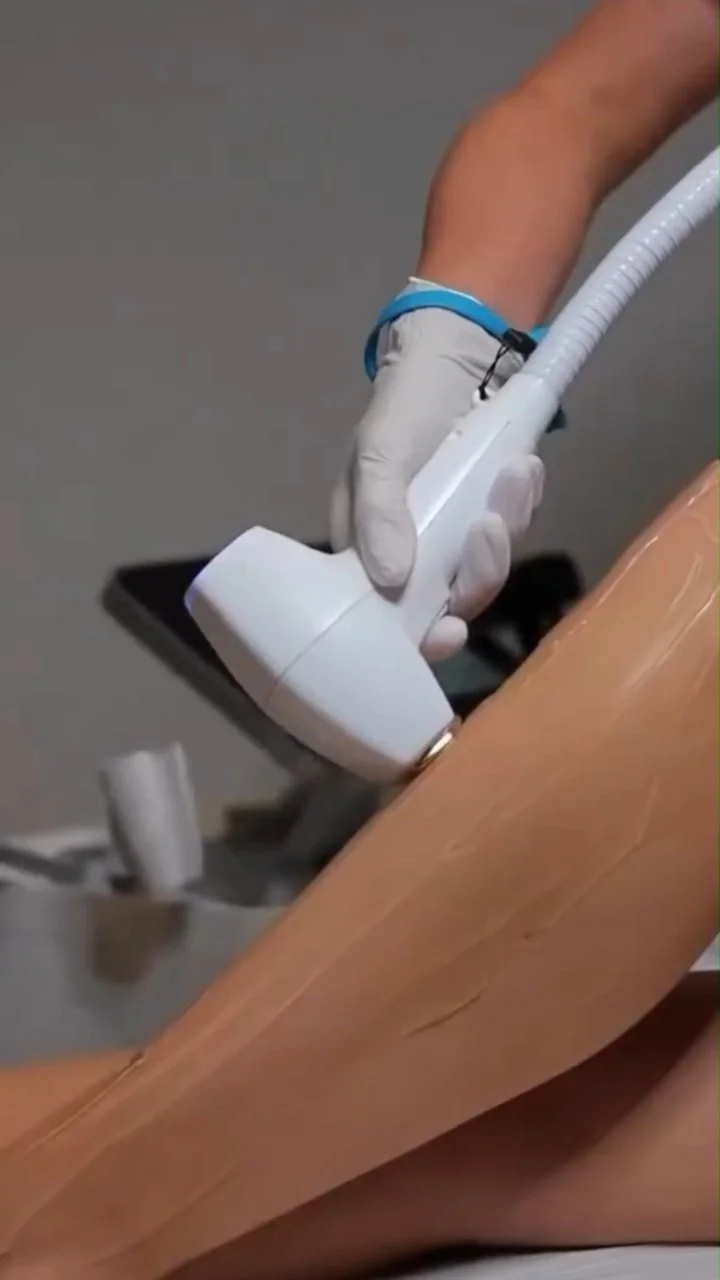
Skin Bliss was voted the #1 Best Skincare Clinic in Helena in the 2025 Best of Helena Awards. Helena’s premier destination for personalized skincare solutions.

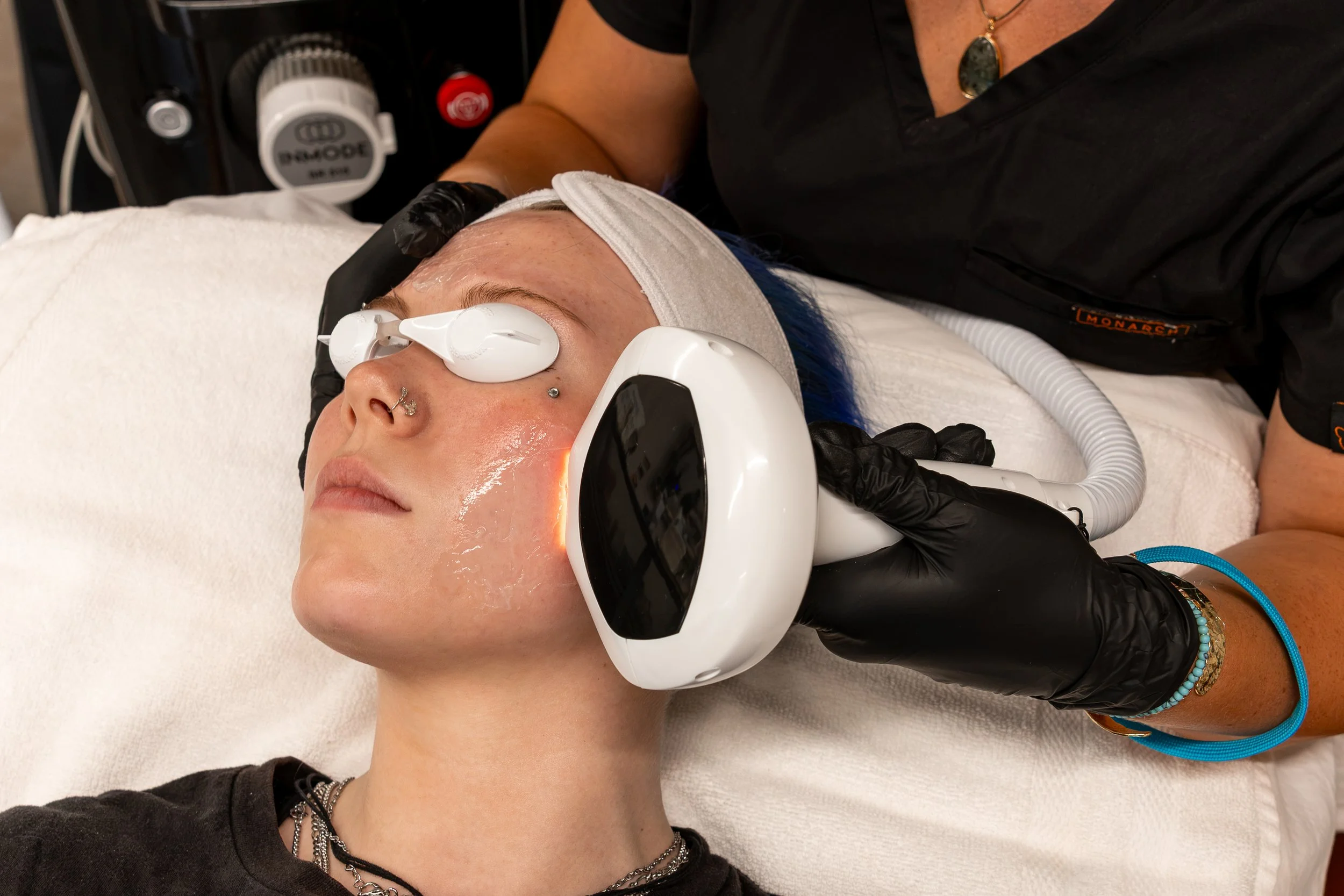

Compare RF microneedling and traditional microneedling for skin tightening, acne scars, texture, downtime, and results. Learn which treatment may be right for your skin in Helena, MT.