
The Difference Between Microneedling, Procell Microchanneling, and RF Microneedling
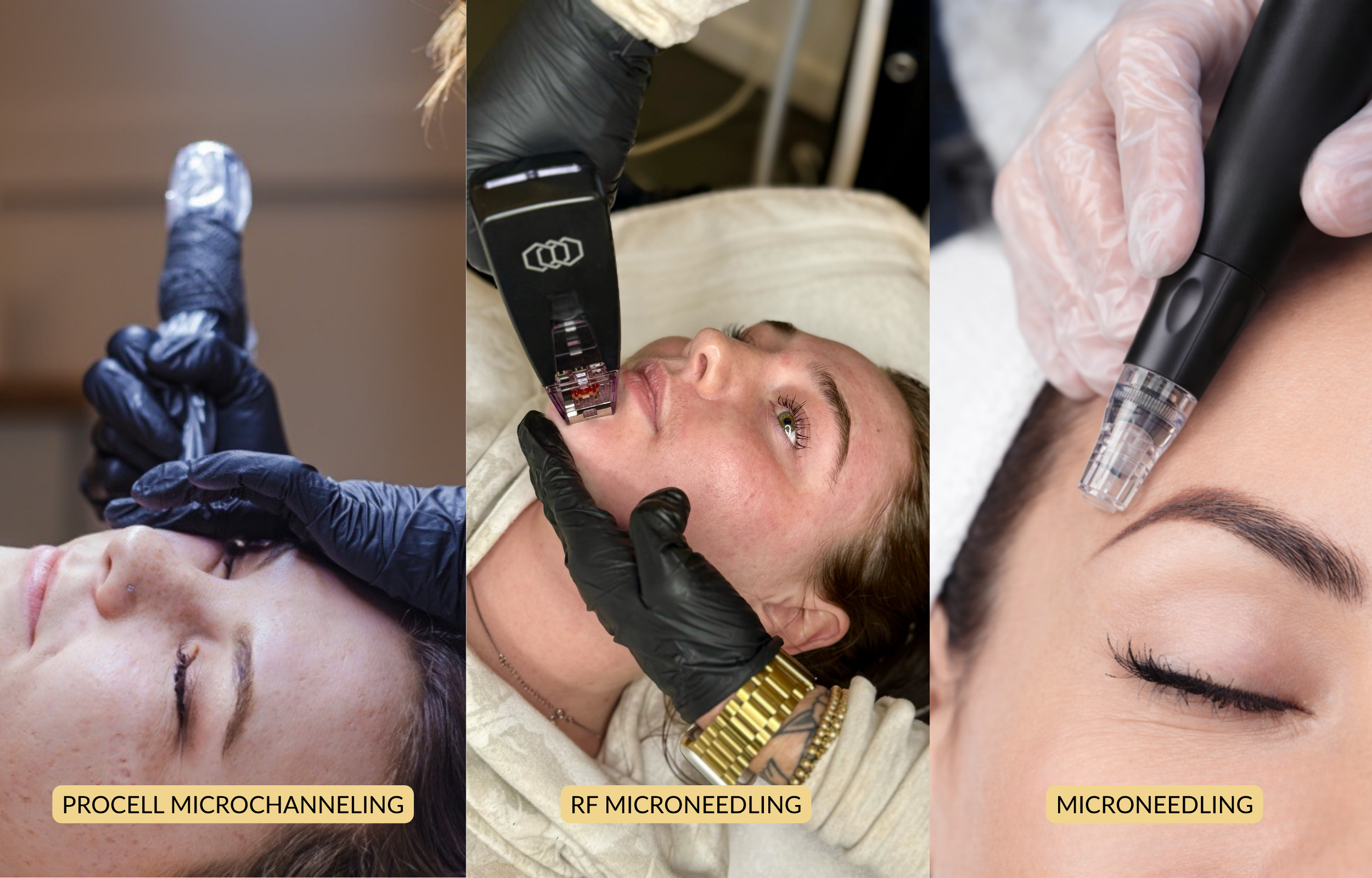
Procell Microchanneling Vs RF Microneedling Vs Microneedling
Skin rejuvenation treatments have evolved significantly in recent years, with procedures like Microneedling, Procell Microchanneling, and RF Microneedling becoming increasingly popular. While all three aim to improve skin texture, boost collagen, and reduce signs of aging, they differ greatly in technology, depth, effectiveness, downtime, and results.
This article provides a comprehensive comparison to help you understand which treatment may be best suited for different skin concerns.
What is Microneedling?
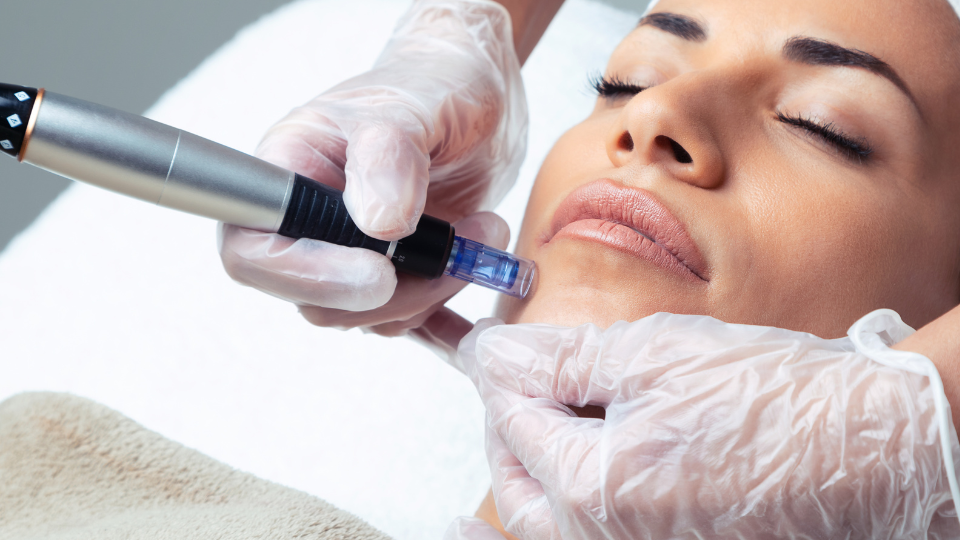
Microneedling, also known as collagen induction therapy, is a cosmetic procedure that uses fine needles to create tiny punctures (micro-injuries) in the skin.
How it works:
The body responds by producing collagen and elastin
Skin gradually becomes smoother, firmer, and more even
Benefits:
Reduces fine lines and wrinkles
Improves acne scars and stretch marks
Minimizes pores
Enhances skin texture and tone
Limitations:
Can cause redness and irritation for 1–3 days
Requires multiple sessions for noticeable results
Less precise compared to newer technologies
Best for:
Anti-aging and collagen stimulation
Light to moderate acne scarring
Mild to moderate skin texture issues
Preventative aging (collagen banking for younger patients)
Overall skin rejuvenation and improvement
Microneedling is also commonly used for “collagen banking,” helping younger patients prevent early signs of aging.
What is Procell Microchanneling?
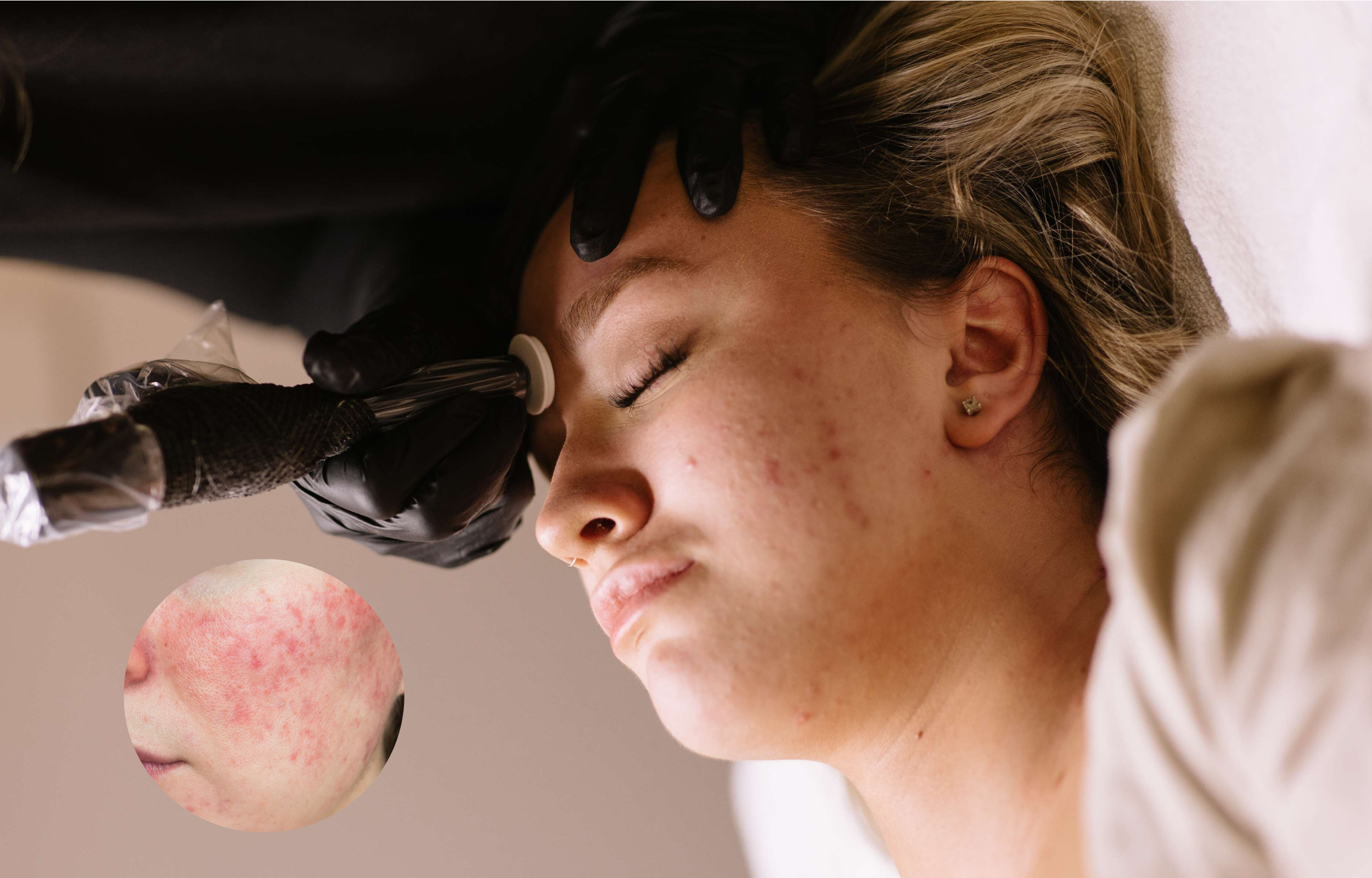
Procell Microchanneling is an advanced, medical-grade version of microneedling that uses ultra-fine filaments and a stamping technique to create precise microchannels in the skin.
How it works:
Creates uniform microchannels with minimal trauma
Infuses growth factors and stem cell serums during treatment
Key features:
Filaments are thinner than human hair
Enhanced healing due to serum infusion
Benefits:
Faster healing (often within 24 hours)
Immediate glow and improved skin hydration
Limitations:
Less effective for deep scars or severe wrinkles
Results may be more subtle compared to RF microneedling
Best for:
Sensitive or reactive skin
Clients wanting minimal downtime
Skin hydration and glow
Gentle anti-aging treatment
Enhanced product absorption
What is RF Microneedling?
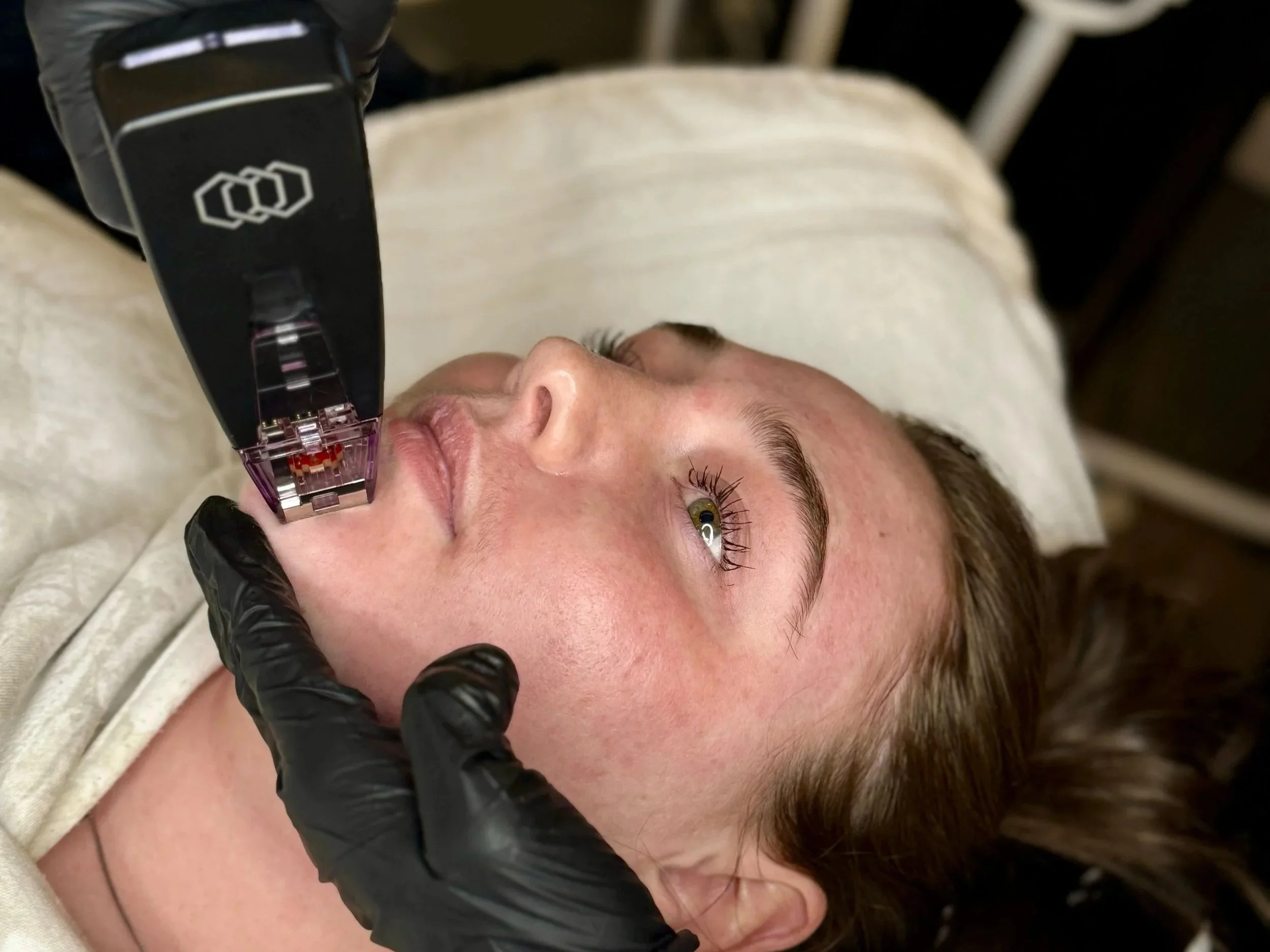
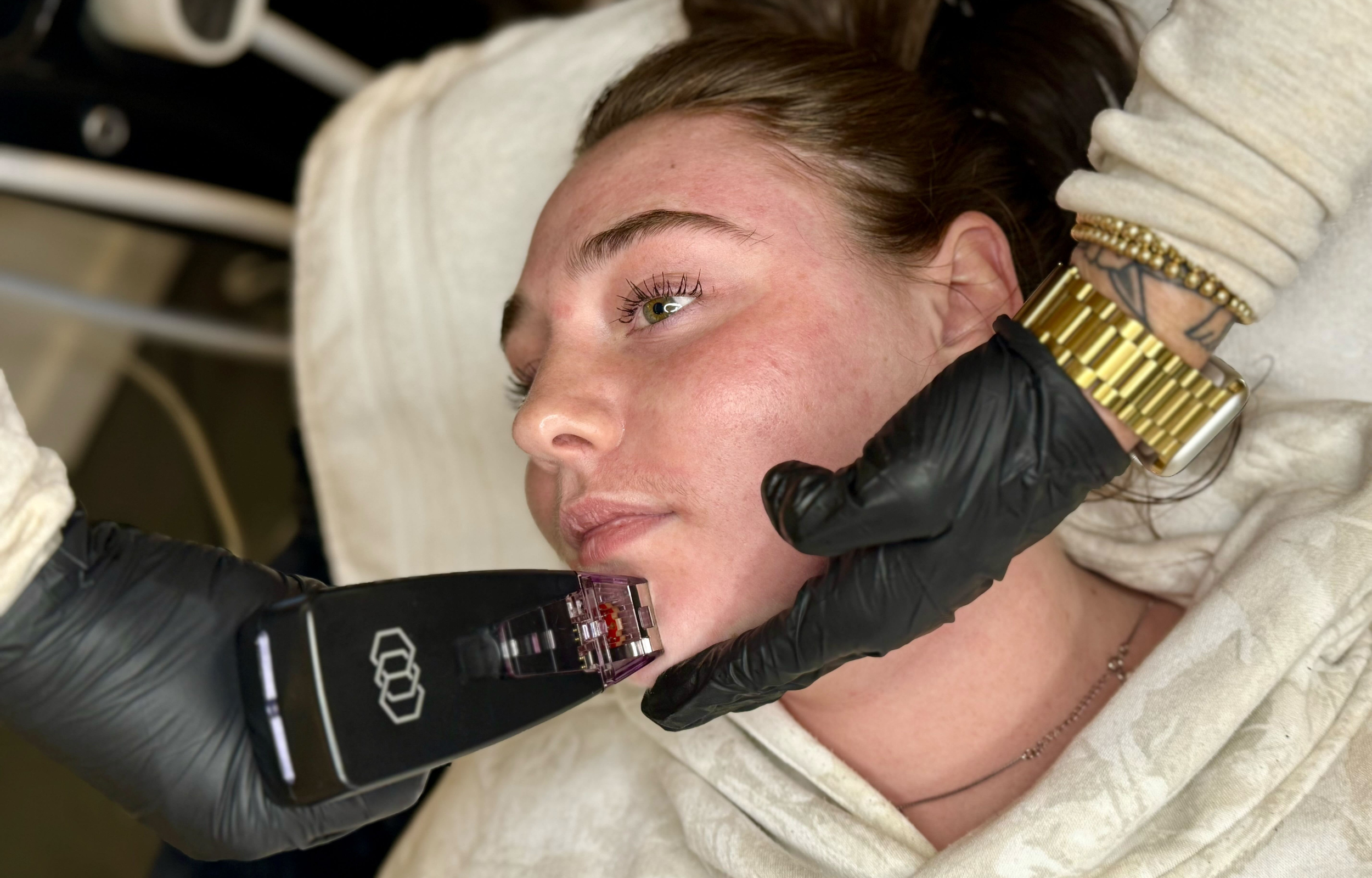
RF (Radiofrequency) Microneedling combines traditional microneedling with radiofrequency energy, making it a more advanced and powerful treatment.
How it works:
Needles penetrate the skin like microneedling
RF energy is delivered into deeper layers
Heat stimulates collagen, elastin, and skin tightening
Benefits:
Stronger collagen stimulation
Tightens sagging skin
Improves deep wrinkles and acne scars
Long-lasting results
Additional advantages:
Works deeper than standard microneedling
Provides both resurfacing and tightening
Limitations:
More expensive
Slightly more discomfort
Downtime may last several days
Best for:
Skin laxity (loose skin)
Deep wrinkles
Severe acne scars
Advanced anti-aging
Key Differences (Side-by-Side Comparison)
| Feature | Microneedling | Procell Microchanneling | RF Microneedling |
|---|---|---|---|
| Technology | Needles create micro-injuries | Ultra-fine filaments + stamping | Needles + radiofrequency heat |
| Trauma to Skin | Moderate | Minimal | Moderate to high |
| Precision | Moderate | Very high | High |
| Pain Level | Moderate discomfort | Least painful | Most intense (usually requires numbing) |
| Downtime | 1–3 days | < 24 hours | 5 days |
| Collagen Stimulation | Good | Faster but mild | Strongest |
| Skin Tightening | Minimal | Minimal | Significant |
| Serum Infusion | Yes | Yes (growth factors) | Sometimes |
| Best For | Texture issues, mild to moderate scarring, anti-aging, collagen banking | Sensitive or reactive skin, Clients wanting minimal downtime, Skin hydration and glow, Gentle anti-aging treatment, Enhanced product absorption | Tightening, deep scars |
All needling treatments can include numbing, making them generally comfortable for most patients.
Main Differences Explained
A. Technique & Technology
Microneedling: Traditional needle penetration
Procell Microchanneling: Controlled vertical stamping with finer filaments
RF Microneedling: Combines needles with heat energy
👉 Procell is more refined, while RF is more aggressive.
B. Depth of Treatment
Microneedling: Surface to mid-depth
Procell Microchanneling: Controlled shallow depth
RF Microneedling: Targets all dermal layers (shallow, medium, and deep).
👉 RF microneedling penetrates the deepest.
C. Results & Effectiveness
Microneedling: Gradual improvement
Procell Microchanneling: Faster glow and healing
RF Microneedling: More dramatic anti-aging and tightening
👉 RF delivers the most powerful results overall.
D. Downtime & Recovery
Microneedling: 2–3 days redness
Procell Microchanneling: Minimal downtime (often same day recovery)
RF Microneedling: Up to a week recovery, but typically one to two days
👉 Procell is the gentlest option.
E. Pain & Comfort
Procell Microchanneling: Least painful
Microneedling: Moderate discomfort
RF Microneedling: Most intense (usually requires numbing)
All needling treatments can include numbing, making them generally comfortable for most clients.
Which Treatment Should You Choose?
Choose Microneedling if:
You want affordable skin improvement
You are focused on anti-aging and collagen stimulation
You have light to moderate acne scarring or other types of scarring
You have mild to moderate texture issues
You are interested in collagen banking (preventative anti-aging for younger skin)
You can tolerate some downtime
Choose Procell Microchanneling if:
You want quick glowing, hydrated skin
You prefer minimal downtime
You want enhanced absorption of active ingredients
Choose RF Microneedling if:
You want skin tightening and lifting
You have deep wrinkles or scars
You want long-lasting, more dramatic results
Budget is not a concern
Conclusion
While all three treatments stimulate collagen and improve skin quality, they serve different purposes:
Microneedling = Traditional, effective, budget-friendly
Procell Microchanneling = Advanced, gentle, fast recovery
RF Microneedling = Powerful, deeper, anti-aging + tightening
👉 In simple terms:
Procell = Glow & gentle rejuvenation
Microneedling = Basic repair & texture
RF Microneedling = Deep correction & tightening
Watch on Instagram





Skin Bliss was voted the #1 Best Skincare Clinic in Helena in the 2025 Best of Helena Awards. Helena’s premier destination for personalized skincare solutions.

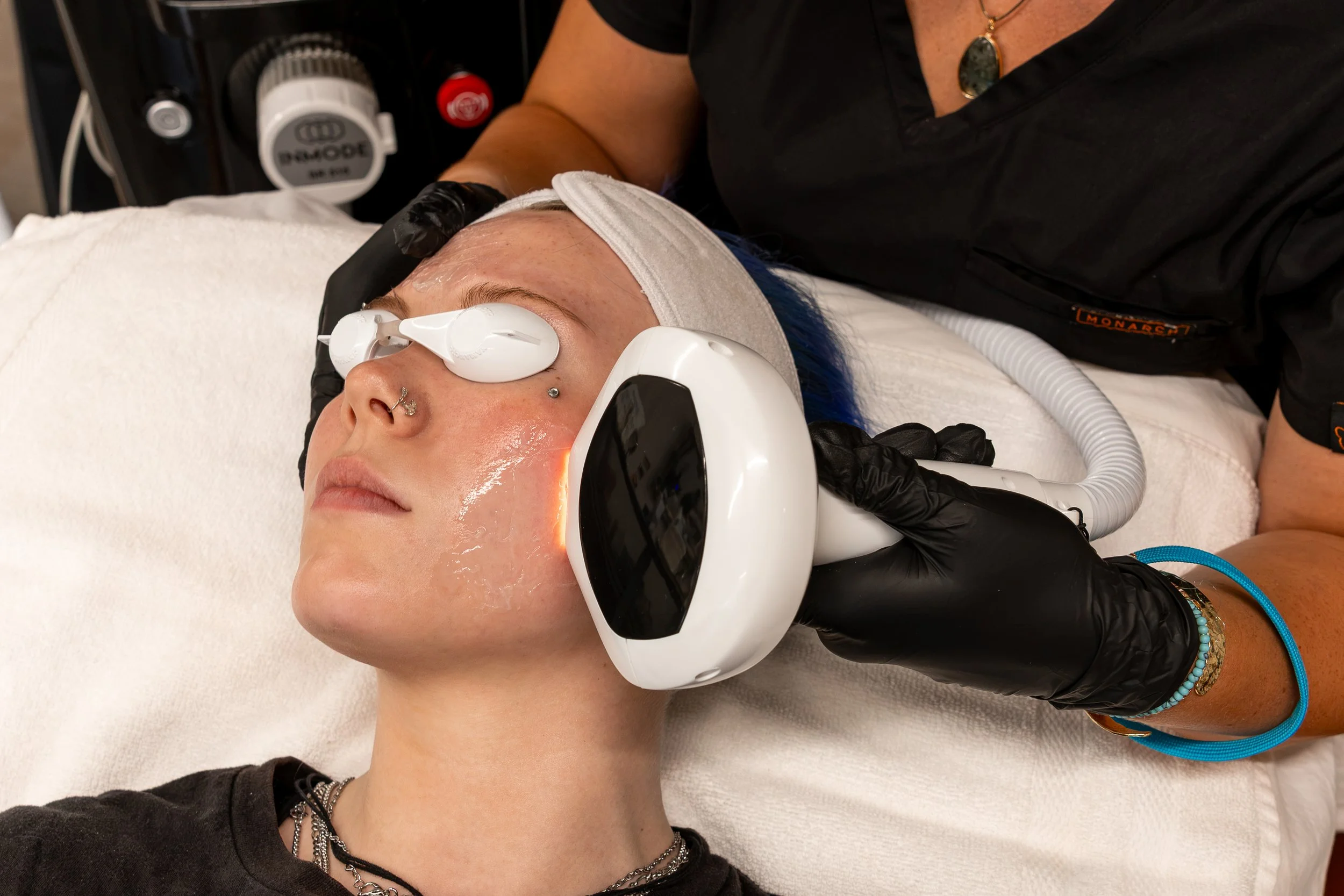
Compare RF microneedling and traditional microneedling for skin tightening, acne scars, texture, downtime, and results. Learn which treatment may be right for your skin in Helena, MT.